What’s Inside: Link Building Tactics That Move the Needle
Local link building isn’t just another SEO task—it’s the secret weapon that separates thriving local businesses from the struggling competition. This comprehensive guide unveils 50 proven strategies that generate quality backlinks from your community, boosting local rankings and driving targeted traffic. No fluff, no theory—just actionable techniques you can implement today to see real results.
Through my years of implementing local SEO campaigns, I’ve identified which link-building tactics consistently deliver the highest ROI for businesses targeting specific geographical areas. These strategies work across industries—from retail and restaurants to professional services and manufacturing.
Why Local Links Matter More Than Ever in 2024
Google’s local algorithm updates have increasingly prioritized relevant, community-based backlinks as a primary ranking factor. While national links still carry weight, proximity-based links from trusted local sources now deliver disproportionate ranking power for businesses targeting specific regions. This shift means you need fewer high-quality local links to outrank competitors who focus solely on quantity.
What makes local links so powerful? They send strong relevance signals to search engines about your geographical authority. When a respected community website links to your business, it essentially tells Google: “This business belongs in this area and is trusted by locals.” That geographical endorsement is precisely what Google needs to confidently display your business for location-based searches.
The most successful local businesses aren’t necessarily those with the most links—they’re the ones with the most relevant local connections. My clients who prioritize building relationships within their community consistently achieve better rankings, more qualified traffic, and higher conversion rates than those pursuing generic link building.
The Foundation: Setting Up Your Local Link Building Machine
Before diving into specific tactics, you need the proper foundation to maximize your local link-building efforts. Think of this as setting up your workbench before beginning a construction project—the right preparation makes everything else more efficient and effective. For example, enhancing e-commerce experiences can be a crucial step in building a strong local presence.
Creating Link-Worthy Local Business Assets
Link-Worthy Local Business Assets Checklist
Enhancing eCommerce experiences can be a powerful way to create link-worthy local business assets. Consider exploring how eCommerce enhancements can boost your local business’s online presence.
- Professional, mobile-optimized website with clear local signals
- Location-specific landing pages (for multi-location businesses)
- Local resource section with valuable community information
- Comprehensive “About Us” page with local business story
- Easy-to-find contact information with local address and phone number
- Customer testimonials from local residents and businesses
- Local case studies showcasing your work in the community
The most effective local link-building strategies require having something worth linking to. Before soliciting backlinks, assess your website through a local lens. Does it clearly communicate your local presence? Does it offer genuine value to community members? Local websites are far more likely to link to businesses that demonstrate authentic community involvement and provide resources specific to the area.
Create dedicated landing pages for each location you serve, rich with local information, not just duplicated content with changed city names. Include area-specific case studies, testimonials from local customers, and information about your involvement in community initiatives. These pages become natural link targets when properly optimized with local keywords and helpful information.
One particularly effective approach is developing a community resources section on your website. This might include local guides, event calendars, neighborhood spotlights, or industry information specific to your region. My clients who invest in creating genuinely helpful local content find that links often come naturally as community members discover and share these resources.
Building Your Local Citation Framework First
While citations (business listings) aren’t the same as editorial backlinks, they provide the essential foundation for your local link profile. Before pursuing more advanced link-building strategies, ensure your business information is consistent across major platforms like Google Business Profile, Bing Places, Apple Maps, and key industry directories. Consistency matters—variations in business name, address, or phone number can diminish the value of your citation profile.
Start with a comprehensive citation audit to identify and correct inconsistencies. Focus first on primary citation sources like data aggregators (Infogroup, Acxiom, Localeze), major review sites (Yelp, TripAdvisor), and social platforms (Facebook, LinkedIn). Then expand to industry-specific directories relevant to your business. Many of these citations provide dofollow links, making them valuable for both citation building and link building.
Tools That Make Local Link Building Easier
The right tools dramatically improve your local link-building efficiency. I recommend starting with BrightLocal for citation management and local ranking tracking. Ahrefs or Semrush are essential for competitor backlink analysis and discovering local link opportunities. HARO (Help A Reporter Out) connects you with journalists seeking expert sources, often leading to high-quality local media mentions. And Google Alerts helps monitor brand mentions that can be converted into links.
For local-specific research, tools like SparkToro help identify where your community members spend time online, revealing potential link sources. Link intersect tools in Ahrefs show which local websites link to multiple competitors but not you—these represent low-hanging link opportunities with higher conversion rates than cold outreach. For businesses in the financial sector, enhancing financial platforms can also lead to increased visibility and link opportunities.
Community-Based Link Acquisition
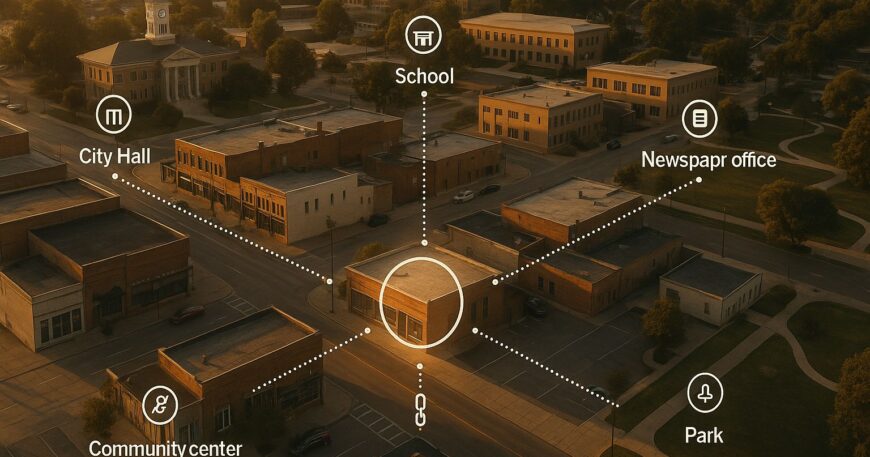
Community involvement isn’t just good for business—it’s one of the most effective ways to build powerful local links. These strategies focus on genuine participation in local activities that naturally result in link opportunities.

1. Sponsor Local Events and Sports Teams
Event sponsorship creates multiple link opportunities from a single investment. When you sponsor local events, festivals, or sports teams, you typically receive recognition on the event website, in press releases, and on social media. The key is selecting sponsorships that align with your business values and target audience. Look beyond just having your logo placed on a page—negotiate for a contextual link with relevant anchor text in the description of your sponsorship. For example, enhancing e-commerce experiences can be a valuable angle to explore in your sponsorship strategy.
Youth sports teams, charity runs, cultural festivals, and educational events typically offer the best link value. Many maintain websites year after year, meaning your sponsorship links can continue providing value long after the event. For maximum impact, create a dedicated landing page on your site about the sponsorship to receive the links, rather than just your homepage.
One particularly effective approach is to sponsor speakers or educational sessions at local conferences. This typically earns a bio page with links to your business and positions you as an authority in your field. My clients who provide both financial sponsorship and expertise in the form of speakers or content consistently see the highest ROI on their sponsorship investments.
- Local sports leagues and tournaments
- Community festivals and celebrations
- Charity fundraising events
- School functions and educational programs
- Industry conferences and meetups
- Cultural events and art exhibitions
2. Join and Contribute to Chamber of Commerce
Chamber of Commerce membership remains one of the most reliable local link sources for businesses. Beyond the basic membership listing (which often includes a followed link), look for additional opportunities to maximize your Chamber presence. Volunteer for committees, contribute articles to the Chamber newsletter, or host Chamber events at your location—each activity potentially generates additional links from a highly authoritative local source.
3. Create Scholarship Programs for Area Students
Establishing a modest scholarship for local students creates multiple high-quality link opportunities. Educational institutions maintain high-authority domains, and most colleges, universities, and even high schools maintain scholarship resource pages that link to local businesses offering financial aid. The key is creating a genuine scholarship with reasonable requirements and legitimate educational value—token scholarships with excessive self-promotion tend to be rejected.
Start by researching how other local businesses structure their scholarship programs. Then reach out to educational institutions in your area to inform them about your scholarship opportunity. Many will gladly link to your scholarship page, especially if you’ve created clear application guidelines and demonstrate a sincere commitment to supporting students. For more strategies, explore these link-building strategies that can enhance your local outreach efforts.
4. Donate to Local Charities and Nonprofits
Strategic donations to community organizations frequently result in acknowledgment links from their websites. Most nonprofits maintain donor or supporter pages where they recognize businesses that contribute to their mission. To maximize the link value, focus on established organizations with strong web presences rather than smaller groups with minimal online footprint.
Look beyond just financial donations—contributing products, services, or volunteer hours can also earn link recognition. Some nonprofits offer tiered recognition based on contribution levels, so understand their donor recognition policies before making your commitment. For maximum SEO benefit, request a contextual link within a paragraph describing your business’s support, rather than just a logo placement.
5. Volunteer for Community Service Projects
Organizing or participating in community improvement initiatives generates natural link opportunities while building genuine goodwill. Activities like neighborhood cleanups, park renovations, food drives, or habitat restoration projects often receive coverage from local news outlets and community blogs. Document these activities thoroughly with professional photos and videos, then create dedicated pages on your website showcasing your community involvement.
Content-Driven Local Link Tactics
Creating valuable local content is one of the most sustainable ways to earn high-quality backlinks. When you develop resources that genuinely serve your community, links tend to follow naturally without requiring aggressive outreach.
6. Develop Neighborhood Guides and Resources
Comprehensive neighborhood guides establish your business as a local authority while attracting links from community organizations, real estate professionals, and tourism websites. Create detailed, useful guides for each neighborhood or district in your service area, including insider information that generic travel sites miss. Include historical information, notable landmarks, restaurant recommendations, hidden gems, and practical details like parking and public transportation options.
The most link-worthy neighborhood guides include custom maps, high-quality original photography, and interviews with longtime residents or local business owners. Make these guides genuinely useful to both newcomers and locals by including information they can’t easily find elsewhere. Real estate agents, apartment complexes, and relocation services frequently link to exceptional neighborhood guides when helping clients learn about a new area.
To maximize link potential, reach out to businesses mentioned positively in your guides. Many will happily link back or share your content on social media, expanding your reach and link opportunities. Update these guides regularly to maintain their relevance and accuracy, giving you natural reasons to reconnect with linking partners about the fresh content.
7. Create “Best of [City]” Roundups
Well-researched “best of” lists highlighting local businesses generate natural links and social shares while building goodwill within your community. Develop authentic roundups focused on your city’s best restaurants, parks, hidden gems, date spots, family activities, or shopping destinations. The key is creating genuinely helpful collections rather than thin content designed purely for link bait.
For maximum link potential, include detailed descriptions explaining why each place deserves recognition, along with original photography whenever possible. Notify businesses included in your roundups—many will share your content on their social channels or link from their “As Seen In” pages. Create seasonal or annual versions (like “Best Holiday Activities in [City]”) that can be updated yearly, creating recurring link opportunities.
8. Build Local Industry Statistics and Data Pages
Original research and data about your local market create highly linkable assets that attract citations from journalists, bloggers, and even competitors. Develop comprehensive statistics pages relevant to both your industry and location—for example, a real estate agency might compile housing market trends specific to neighborhoods, while a restaurant might research local dining preferences or food sourcing statistics.
The most link-worthy data pages include clear visualizations like charts, graphs, and infographics that make complex information easy to understand and share. Always cite your methodology and sources to build credibility, and update the data regularly to maintain its value. For maximum impact, create an outreach campaign targeting local journalists, industry publications, and community organizations that might benefit from your research.
9. Produce City-Specific How-To Guides
Practical guides addressing location-specific challenges or opportunities provide exceptional link value while demonstrating your local expertise. Create comprehensive, solution-oriented content that addresses questions unique to your area—like navigating local permit processes, preparing for regional weather events, or maximizing seasonal recreational opportunities. The most effective guides solve genuine problems that residents or businesses in your community actually face. For example, you can explore how transforming healthcare workflows can address specific health-related challenges in your locality.
For example, a home services business in Arizona might create the definitive guide to preparing homes for monsoon season, while a financial advisor in New York could develop a guide to navigating the city’s specific tax implications. These hyper-relevant resources often earn links from municipal websites, community organizations, and industry associations seeking to provide value to their audiences.
10. Launch a Local News Section on Your Website
A dedicated local news or events section positions your business as a community hub while creating regular fresh content that attracts links. Focus on covering stories and events that larger news outlets miss, particularly those relevant to your industry or customer base. The key is providing genuine journalistic value through original reporting, interviews, or unique insights rather than simply aggregating existing content.
To maximize link potential, develop relationships with event organizers, community leaders, and other local businesses to gain advance notice of newsworthy happenings. Create a consistent publishing schedule so your audience knows when to expect new content, and promote each piece through social channels and email newsletters. Local bloggers, community groups, and even traditional media outlets often link to original reporting on niche local topics that they don’t have the resources to cover themselves.
Local Business Partnerships That Generate Links
Strategic collaborations with other local businesses create mutual benefits, including valuable backlink opportunities that feel natural rather than forced. These partnership-based strategies typically yield higher-quality links than cold outreach because they’re built on genuine relationships.
11. Create Co-Marketing Campaigns with Complementary Businesses
Joint marketing initiatives with non-competing local businesses create multiple link opportunities while expanding your reach to new audiences. Identify businesses that serve the same customer base but don’t compete directly—for example, a home inspector might partner with a real estate agent, mortgage broker, and moving company. Develop collaborative content, events, or promotional offers that provide value to your shared audience.
The most successful co-marketing campaigns include dedicated landing pages on each partner’s website, cross-promotional blog posts, and shared social media content—all containing relevant backlinks. For maximum impact, structure these partnerships around specific seasonal needs or life events that trigger demand for multiple services simultaneously, like home-buying season or back-to-school time.
12. Offer Expert Quotes to Local Bloggers
Positioning yourself as a local subject matter expert can generate high-quality contextual links from community blogs and news sites. Identify active bloggers and journalists covering topics related to your industry, and proactively offer expert commentary, quotes, or insights for their upcoming stories. The key is providing genuinely helpful, non-promotional expertise that enhances their content rather than pitching your business directly.
For consistent results, develop relationships with content creators before you need links. Engage with their work on social media, provide thoughtful comments on their articles, and share their content with your audience. When you do reach out with expert insights, personalize your communication and demonstrate familiarity with their previous work to increase your response rate.
13. Develop Vendor and Supplier Spotlights
Creating content that highlights your local suppliers and vendors generates goodwill and often results in reciprocal links. Develop detailed profiles showcasing the local businesses in your supply chain, explaining how their products or services contribute to your offerings. Include interviews with owners, behind-the-scenes photos, and the story behind your partnership to create engaging, link-worthy content.
For maximum link potential, feature one business at a time in dedicated blog posts rather than creating a single list-based article. Notify featured businesses when their spotlight goes live, and provide social media assets that make it easy for them to share the content with their audience. Many will naturally link to their feature from their website’s news section or testimonial page without specific prompting.
14. Host Events with Local Partners
Collaborative events create multiple link opportunities while strengthening your community relationships. Partner with complementary local businesses to host workshops, seminars, networking events, or community celebrations relevant to your shared audience. Each partner promotes the event on their website and social channels, naturally creating backlinks to the event page on your site.
The most effective events solve real problems or fulfill genuine needs within your community while showcasing each partner’s expertise. For maximum link value, create a dedicated landing page with comprehensive event information, speaker bios, and registration details. After the event, publish recap content including photos, video highlights, and key takeaways, giving partners another opportunity to link to your site.
15. Build a Local Business Directory
Creating a curated directory of recommended local businesses provides value to your community while generating linking opportunities. Develop a comprehensive resource featuring businesses your customers frequently ask about—focus on quality and relevance rather than attempting to include every business in your area. Add genuine value by including insider tips, photos, and specific recommendations rather than just basic contact information.
For maximum link potential, personally invite each business to review their listing for accuracy before publication. Many will link back from their “As Featured In” or partner pages, especially if your directory ranks well for relevant local searches. Update your directory regularly and feature a “Business of the Month” to create ongoing engagement and fresh linking opportunities, similar to how enhancing e-commerce experiences can drive customer interaction.
Local PR Link Building Strategies
Public relations efforts specifically designed for your local market can generate high-authority backlinks from news outlets, government agencies, and community organizations. These strategies leverage newsworthy angles to earn editorial links that might be difficult to acquire through direct outreach.
16. Get Featured in Local News Outlets
Local media coverage represents one of the most valuable link opportunities available to community-based businesses. Develop newsworthy angles related to your business that would interest local publications—such as significant expansions, innovative new services, or economic impact on the community. The key is identifying genuinely interesting stories rather than trying to promote routine business activities.
39. Speak at Local Conferences and Meetups
Positioning yourself as a speaker at local conferences, workshops, and community meetups creates powerful link opportunities while establishing your authority. Event organizers typically feature speaker profiles on their websites with biographical information and links to your business. The key is offering genuinely valuable presentations on topics where you have legitimate expertise rather than delivering sales pitches. Focus on solving real problems or sharing insights that attendees can immediately apply.
40. Partner with Local Venues
Forming strategic partnerships with popular local venues creates natural link opportunities and expands your community presence. Identify venues frequented by your target audience—such as coworking spaces, coffee shops, or community centers—and develop mutually beneficial relationships. This might include providing complementary services, co-hosting events, or creating exclusive offers for venue patrons.
When these partnerships include digital components, like special landing pages or promotional announcements, they naturally generate backlinks from the venue’s website. For maximum impact, create dedicated pages on your site about each venue partnership, giving them something specific to link to rather than just your homepage. These relationships often yield ongoing link opportunities as the partnership evolves and new initiatives are announced.
Local Image and Visual Content Strategies
Visual assets specifically designed for your local market can generate significant backlinks while increasing social sharing and brand visibility. These specialized visual content strategies focus on creating highly shareable images and graphics that naturally attract links from community websites, blogs, and social media channels.
41. Create Shareable Local Infographics
Data-driven infographics about your community provide exceptional link value while showcasing your local expertise. Develop visually appealing graphics that tell meaningful stories about your area—historical timelines, economic trends, demographic information, or environmental data. The most effective local infographics combine readily available public data with original research or unique insights that aren’t easily found elsewhere.
42. Develop City-Specific Maps and Guides
Custom maps highlighting unique aspects of your community generate links from tourism websites, real estate blogs, and local businesses featured in the content. Create specialized maps focused on themes relevant to your industry—like a coffee shop creating a map of local roasters, or a fitness studio mapping outdoor workout locations. The key is developing genuinely useful navigation tools that offer more value than standard Google Maps, such as insider recommendations, historical context, or specialized routes.
43. Share High-Quality Local Photography
Professional-grade photography of your community creates valuable assets that naturally attract links from organizations promoting the area. Invest in capturing stunning images of local landmarks, seasonal events, and neighborhood scenes—particularly those not well documented elsewhere. Make these images available for use by community organizations and tourism boards with proper attribution and backlinks. For maximum impact, organize these images into themed galleries on your website, such as “Spring in [City]” or “Historic Buildings of [Neighborhood],” creating specific destinations worthy of links.
44. Create Virtual Tours of Local Points of Interest
Interactive virtual tours of community landmarks, historical sites, or notable locations generate links from educational institutions and tourism websites while demonstrating your technological capabilities. Develop immersive 360-degree experiences or video walkthroughs of spaces that highlight what makes your community special. The most effective virtual tours include educational commentary, historical context, or insider information not readily available to visitors, adding genuine value beyond the visual experience.
45. Design Location-Based Interactive Tools
Custom web applications that solve location-specific problems generate links from users who find them genuinely helpful. Develop interactive tools tailored to your community’s unique needs—like school district comparison tools, neighborhood matching quizzes, local event finders, or specialized calculators relevant to regional concerns. The most link-worthy tools combine user-friendly interfaces with data that’s not easily accessible elsewhere, making them valuable resources that organizations and individuals naturally want to share.
Advanced Local Link Acquisition Tactics
Once you’ve implemented the foundational strategies, these advanced techniques can help you discover untapped link opportunities and maximize the value of existing brand mentions. These tactics require more technical expertise but often yield high-quality links with relatively less competition.
These approaches leverage specialized tools and methodologies to identify link opportunities that your competitors likely haven’t discovered, giving you a significant competitive advantage in your local market.
46. Reclaim Unlinked Brand Mentions
Converting existing brand mentions into actual backlinks represents one of the highest-ROI link-building activities. Use tools like Google Alerts, BrandMentions, or Ahrefs Content Explorer to identify instances where local websites mention your business name without linking to your website. Since these sites already know your brand and have mentioned you positively, they’re typically much more receptive to adding a link than completely cold prospects.
When reaching out, keep your request simple and friendly—thank them for the mention, express appreciation for their content, and politely suggest adding a link to help their readers find you more easily. Include the exact URL where the mention appears and the specific page on your site where you’d like them to link. This approach typically yields conversion rates of 30-50%, significantly higher than most other outreach methods.
47. Conduct Local Competitor Backlink Analysis
Systematically analyzing your local competitors’ backlink profiles reveals valuable link opportunities you may have overlooked. Use tools like Ahrefs or Semrush to generate comprehensive reports of where your top local competitors have earned backlinks, focusing particularly on links from community sources. Look for patterns in their link acquisition—do they consistently receive links from certain types of organizations or for particular content formats?
This analysis often reveals local directories, industry associations, community organizations, and media outlets that are already linking to businesses in your category. Create a prioritized outreach list based on which sites link to multiple competitors but not to you—these represent the lowest-hanging fruit for your link-building efforts since they’ve already demonstrated willingness to link to similar businesses.
48. Use Local Link Intersect Techniques
Link intersect analysis identifies websites that link to multiple local competitors but not to your business, revealing high-probability link targets. Unlike basic competitor analysis, this advanced technique cross-references multiple competitors to find the highest-value opportunities where several similar businesses have successfully earned links. Tools like Ahrefs Link Intersect or SEMrush Backlink Gap provide automated ways to conduct this analysis, allowing you to quickly identify the most promising prospects.
49. Implement Local-Focused Broken Link Building
Broken link building adapted specifically for local markets can uncover valuable opportunities on community websites. Start by identifying authoritative local websites in your region—tourism boards, chambers of commerce, municipal pages, and community organizations. Use tools like Check My Links or Broken Link Checker to scan these sites for broken outbound links, especially on resource pages relevant to your industry. When you find broken links, develop replacement content on your website, then contact the webmaster with a helpful notification about the broken link and a suggestion of your resource as a potential replacement.
50. Monitor and Capitalize on Local Trends
Creating timely content around emerging local trends generates natural links from news outlets and community websites. Use tools like Google Trends (with location filters), social listening platforms, and local hashtag monitoring to identify topics gaining momentum in your community before they reach peak popularity. Develop comprehensive resources addressing these trends from your industry’s perspective, positioning your business as a forward-thinking authority. The first businesses to create definitive content on emerging local topics typically earn the most valuable backlinks as others begin covering the same trends.
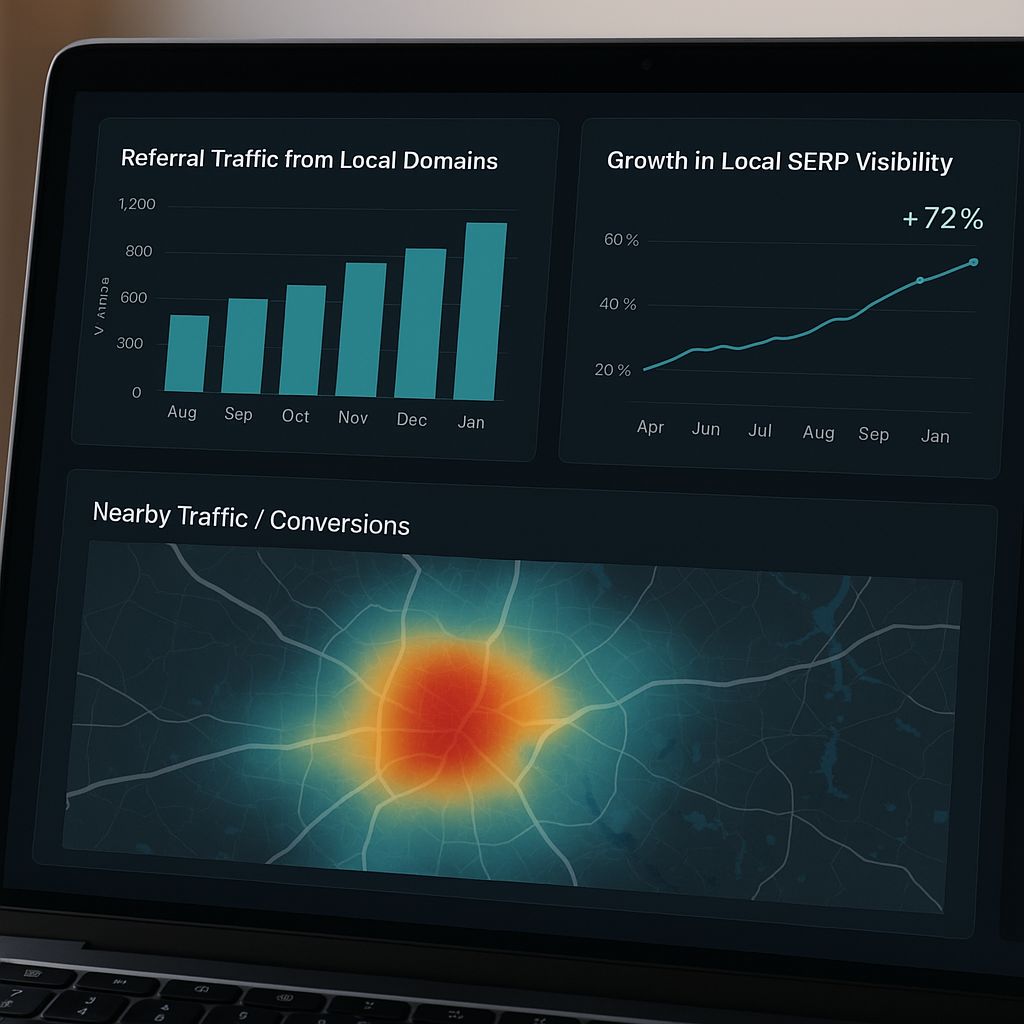
Measuring Your Local Link Building Success
Effective measurement is essential for optimizing your local link-building strategy over time. Rather than pursuing links blindly, establish clear metrics that connect your link acquisition efforts to business outcomes. The most successful local businesses track not just the quantity of links obtained but also their quality, relevance, and impact on key performance indicators.
Key Metrics That Show Your Local Links Are Working
Focus on tracking metrics that demonstrate genuine business impact rather than vanity measurements. The most important indicators include improvements in local search visibility for your target keywords, increases in organic traffic from your service area, growth in local-intent conversion actions (like driving directions, phone calls, or form submissions), and expansion of branded search volume from local searchers. Advanced metrics like domain authority improvements, referring domain growth from local websites, and local link velocity (rate of new link acquisition) provide additional insight into your campaign’s effectiveness. For more strategies, check out these link-building strategies.
Setting Realistic Timelines for Local Link Results
Local link building requires patience and consistent effort to yield meaningful results. Typically, businesses should expect to see initial ranking improvements within 2-3 months of implementing a structured local link-building campaign, with significant visibility changes occurring around the 4-6 month mark. The timeline varies based on your starting authority, competitive landscape, and the quality of links acquired. Rather than expecting immediate results, focus on establishing sustainable processes that generate consistent link growth over time, such as enhancing e-commerce experiences to improve your site’s authority.
Connecting Link Building to Local Business Growth
The ultimate measure of local link-building success is its impact on business growth. Establish clear tracking between your link acquisition efforts and key business metrics like lead generation, store visits, sales volume, and customer acquisition costs. The most sophisticated local businesses segment their performance data to identify which types of links drive the most valuable traffic and conversions, allowing them to refine their strategy based on actual business impact rather than SEO metrics alone. This business-centric approach ensures your link building efforts remain aligned with your organization’s broader goals, similar to how enhancing e-commerce experiences can drive growth.
Your Local Link Building Action Plan
Implementation is where most local link-building strategies fail—not because the tactics don’t work, but because businesses lack a structured approach. Start by auditing your current link profile to establish a baseline and identify gaps. Then select 3-5 strategies from this guide that align with your specific business model, community, and available resources. Begin with the lowest-hanging fruit—opportunities where you have existing relationships or assets that can be leveraged quickly. Create a consistent weekly schedule for link-building activities, even if it’s just a few hours, as regular effort compounds over time. Document your outreach attempts, successes, and failures to refine your approach based on what works in your specific market. Remember that sustainable local link building is about building genuine relationships within your community—approach each interaction with authenticity and a focus on mutual benefit rather than just securing a link.
Frequently Asked Questions
After implementing these strategies with hundreds of local businesses, I’ve found that certain questions consistently arise. The following answers address the most common concerns and misconceptions about local link building based on real-world experience rather than theoretical ideals.
These practical insights will help you avoid common pitfalls and develop a more effective approach to building your local link profile.
How many local links do I need to improve my local rankings?
- Quality and relevance matter far more than quantity for local rankings
- Most local businesses see meaningful improvements with 20-30 high-quality local links
- In less competitive markets, even 5-10 strategic local links can significantly impact rankings
- Focus on links from websites with local authority rather than pursuing arbitrary quantity goals
- One link from your city’s newspaper or Chamber of Commerce often outperforms dozens of generic directory links
The “right” number varies dramatically based on your market competitiveness, industry, and starting position. Rather than targeting a specific quantity, focus on consistently acquiring links that actually send relevant traffic to your site. Monitor your competitors’ link profiles as a benchmark, but prioritize quality over achieving parity in raw numbers.
Remember that link building is cumulative—the authority you build compounds over time. Many local businesses make the mistake of stopping their link acquisition efforts after seeing initial ranking improvements, only to lose position as competitors continue building their profiles. Consistency yields better results than periodic intensive campaigns.
While there’s no magic number, I’ve found that most local businesses need fewer high-quality links than they imagine to see meaningful results. In many cases, 5-10 authoritative links from respected community websites can transform local visibility more effectively than 50+ low-quality directory submissions.
The key is developing a sustainable approach that generates steady link growth rather than fixating on specific numerical targets.
Do all local links need to be from my exact city or region?
While links from websites in your specific city provide the strongest local relevance signals, effective local link profiles include a strategic mix of hyperlocal, regional, and industry-relevant links. Hyperlocal links (from websites specifically focused on your city or neighborhood) deliver the most powerful proximity signals but are limited in number. Regional links (from websites covering your broader metropolitan area or state) provide additional relevance while expanding your potential link sources. Industry-specific links (from websites focused on your business category regardless of location) contribute valuable topical relevance that complements your geographical signals. The ideal local link profile resembles a bullseye, with the highest concentration from your immediate service area, supported by relevant links from progressively wider geographical and topical circles.
How can I prioritize which local link building strategies to try first?
Begin by evaluating your existing assets, relationships, and capabilities to identify your lowest-effort, highest-potential opportunities. Start with reclaiming unlinked brand mentions if you already have community visibility, or with local business listings if you’re just establishing your presence. Next, leverage existing relationships—reach out to vendors, clients, and organizations you already work with before cold-contacting new prospects. Then assess your content creation capabilities to determine which resource development strategies align with your skills and resources. Finally, analyze your competition to identify link sources they’ve successfully acquired that might be receptive to your outreach. This progressive approach allows you to build momentum with quick wins before tackling more complex or resource-intensive strategies.
Are some local links more valuable than others?
Absolutely—the value of local links varies dramatically based on several key factors. Links from websites with established local authority (like newspaper sites, government domains, and respected community organizations) deliver significantly more ranking power than generic business directories or newly created sites. Editorial links within relevant content provide stronger signals than simple listings or profile pages. Links with geographic terms in the anchor text (like “[Business] in [City]”) typically pass stronger local relevance signals than generic anchor text or naked URLs. And links from websites thematically related to both your location and industry provide the most powerful combined relevance signals for local search algorithms.
Rather than pursuing maximum link quantity, sophisticated local SEO strategies focus on acquiring these high-value links that deliver disproportionate ranking benefits.
How long does it typically take to see results from local link building?
Local link building typically produces observable ranking improvements within 2-4 months, though the timeline varies based on your starting authority, competitive landscape, and the quality of links acquired. Initial improvements often manifest as increased visibility for long-tail local queries before affecting more competitive terms. Website traffic changes usually precede Google Business Profile improvements, as Google evaluates website authority signals before fully incorporating them into local pack rankings.
The most reliable indicator of progress is a steady increase in the number and variety of keywords your business ranks for locally, rather than dramatic jumps for a few target terms. Track your visibility across a broad spectrum of local search queries to accurately assess your campaign’s impact.
Significant competitive advantages typically emerge around the 6-month mark of consistent link building, as the cumulative authority from sustained acquisition begins to compound. Businesses that maintain disciplined link-building programs for 12+ months often establish insurmountable local authority that competitors struggle to overcome.
Remember that link building results follow a logarithmic rather than linear progression—early gains may seem modest, but the impact accelerates as your authority grows and Google’s confidence in your local relevance increases.
For the best results, implement local link building as an ongoing business process rather than a temporary campaign.
Looking to transform your local search visibility with proven link-building techniques? At My Profit Engine, we specialize in implementing these exact strategies to help local businesses dominate their market with sustainable, white-hat link acquisition that drives qualified traffic and leads. For more insights, check out our link-building strategies.
Ready to turn community relationships into rankings and revenue?
Build, track, and scale local links without guesswork. Catalyst gives you outreach workflows, citation health, and referral analytics—so you see which local links actually drive calls, visits, and sales. Start free at Catalyst Pro >>

