
Major Points
- Catalyst Pro uses advanced machine learning algorithms to create a true digital omnipresence across multiple channels at the same time.
- The AI-powered system in the platform analyzes customer behavior patterns to predict the best engagement strategies with 94% accuracy.
- Companies that have implemented Catalyst Pro have reported up to a 287% increase in brand visibility and engagement metrics.
- Unlike traditional marketing tools, Catalyst Pro continuously learns and adapts its approach based on real-time performance data.
- The Catalyst Pro platform by TechVantage Solutions removes the technical barriers that previously made omnipresence strategies inaccessible to mid-market businesses.
Machine Learning: The Key to Digital Omnipresence

The difference between brands that just exist online and those that seem to be everywhere is increasingly being determined by machine learning. Omnipresence—the ability to maintain a consistent, effective presence across all relevant digital touchpoints—has become the ultimate goal of modern marketing. Catalyst Pro has emerged as the leading solution by using advanced ML algorithms that continuously optimize content distribution, timing, and personalization simultaneously across multiple platforms.
Old-school multi-channel marketing methods had separate teams managing different platforms, which often led to inconsistent messaging and slower optimization. However, Catalyst Pro’s machine learning engine creates a unified strategy that adapts on the fly based on insights from all channels. This interconnected approach means that what’s learned from social media engagement automatically informs email campaign adjustments, and interaction patterns on the website refine targeting for paid advertising—all without any human intervention.
Thanks to Catalyst Pro’s unique neural network architecture, it can process billions of data points every day to identify patterns that human marketers might overlook. This system can recognize subtle relationships between seemingly unrelated engagement metrics, time-of-day patterns, and content preferences across different audience segments. These insights are especially useful when entering new markets or launching products where there may be limited historical data.
“The most impressive aspect of Catalyst Pro’s machine learning system is how it transformed our understanding of customer journeys. We discovered that 43% of our conversions were influenced by touchpoints we weren’t even measuring before.” – Sarah Chen, Digital Marketing Director at GlobalTech Industries
What Makes Catalyst Pro Different From Traditional Marketing Platforms
While many platforms claim to leverage AI, Catalyst Pro’s architecture represents a fundamental shift in approach. Rather than applying basic automation to existing marketing workflows, it rebuilds the entire concept of multi-channel presence around a central machine learning brain. This distinction becomes clear when examining how traditional solutions require manual intervention between channels, creating inevitable delays and inconsistencies that fragment the customer experience.
Content Distribution Over Various Channels Powered by AI
Catalyst Pro does more than just schedule content. It actively distributes resources across channels based on real-time performance data. The machine learning engine constantly determines the best combination of platforms, content types, and messages to optimize engagement for each audience segment. This is not just simple A/B testing. It simultaneously evaluates hundreds of variables to determine the best mix of Facebook, LinkedIn, email, SMS, and web personalization for different customer groups. The system even adjusts content elements on the fly, changing headlines, visuals, and calls-to-action based on platform-specific engagement patterns.
Automatic Analysis and Targeting of Audiences
Conventional segmentation depends on static demographic data and simple behavioral indicators. Catalyst Pro, on the other hand, uses unsupervised learning algorithms to detect natural audience groups based on intricate interaction patterns. These dynamic segments change as the system notices behavioral shifts, allowing for much more sophisticated targeting than traditional methods. Perhaps the most impressive aspect is that the system can detect when individual customers move between segments, automatically altering their experience path to align with their changing needs and interests.
Instant Performance Enhancement
While other platforms need a human to analyze the data, Catalyst Pro uses machine learning algorithms that are always checking performance metrics and making improvements in real-time. The system doesn’t just gather data—it uses it right away to change budget allocations, modify messages, and even stop content that isn’t performing well, all without a human needing to do anything. This automatic improvement cuts down the usual delay between understanding the data and acting on it from days or weeks to just minutes, letting brands take advantage of new opportunities before their competitors even realize they exist.
Four Key Technologies Fuel Catalyst Pro’s Machine Learning Engine
The secret behind Catalyst Pro’s seemingly magical omnipresence is a complex integration of four different machine learning technologies working together. Each one tackles a specific problem in achieving true omnipresence, and their combined use results in abilities that would be impossible with just one approach.
1. How Catalyst Pro’s NLP System Analyzes Content
Catalyst Pro’s content strategy is centered around a sophisticated NLP system that takes sentiment analysis to the next level. The platform can identify nuanced emotional undertones, assess the clarity of messaging, and even anticipate how various audience segments will react to certain word choices. This technology makes it possible to automatically tailor messaging for different channels while keeping the brand voice consistent. What’s even more amazing is that the NLP engine can pinpoint which particular terms and concepts are most engaging across different platforms. This means content optimization that used to require professional copywriters can now be automated. For more on digital transformation, explore the TM Forum’s Catalyst Program.
2. Using Predictive Analytics to Choose Channels
By analyzing past performance data, Catalyst Pro’s predictive models can forecast which channels will provide the best results for specific campaign goals. This is more advanced than just calculating ROI; it also considers how channels affect each other in complicated customer journeys. The system can recognize relationships that aren’t immediately obvious, like how advertising on a podcast could lead to more mobile app downloads, or how consuming content on LinkedIn is related to opening rates for specific email segments. These insights make allocating resources much more sophisticated than traditional attribution models.
3. Using Computer Vision to Optimize Visual Content
The performance of visual content can vary greatly from platform to platform. Catalyst Pro uses computer vision algorithms to automatically analyze and optimize images to achieve maximum engagement. The system can identify the visual elements that capture attention, evoke emotional responses, and lead to conversions across different channels and audience segments. These insights are then used to automatically crop, adjust colors, and reformat images for optimal performance on each platform. This technology eliminates the need for manual design variations, ensuring visual consistency while maximizing performance specific to each platform.
4. Continuous Improvement Through Reinforcement Learning
Catalyst Pro differentiates itself with a reinforcement learning framework that approaches marketing strategy as a continuous experiment. The system is always testing minor changes in approach, assessing outcomes, and integrating successful methods into its fundamental strategy. This is not like traditional A/B testing that looks at individual variables. Instead, reinforcement learning examines the entire customer journey, optimizing for long-term value over immediate metrics. This method enables Catalyst Pro to find non-obvious strategies that human marketers may not think of, such as purposely lowering engagement on certain channels to encourage higher-quality interactions elsewhere. Learn more about optimizing for Google’s AI and how it can enhance your marketing efforts.
Uncovering the Secrets of Catalyst Pro’s Algorithm
To truly grasp how Catalyst Pro manages to be everywhere at once, you need to look at more than just the separate technologies involved. You need to see how they all work together as a single system. The way Catalyst Pro is designed allows for a level of coordination across different channels that just wouldn’t be possible with traditional marketing technology stacks.
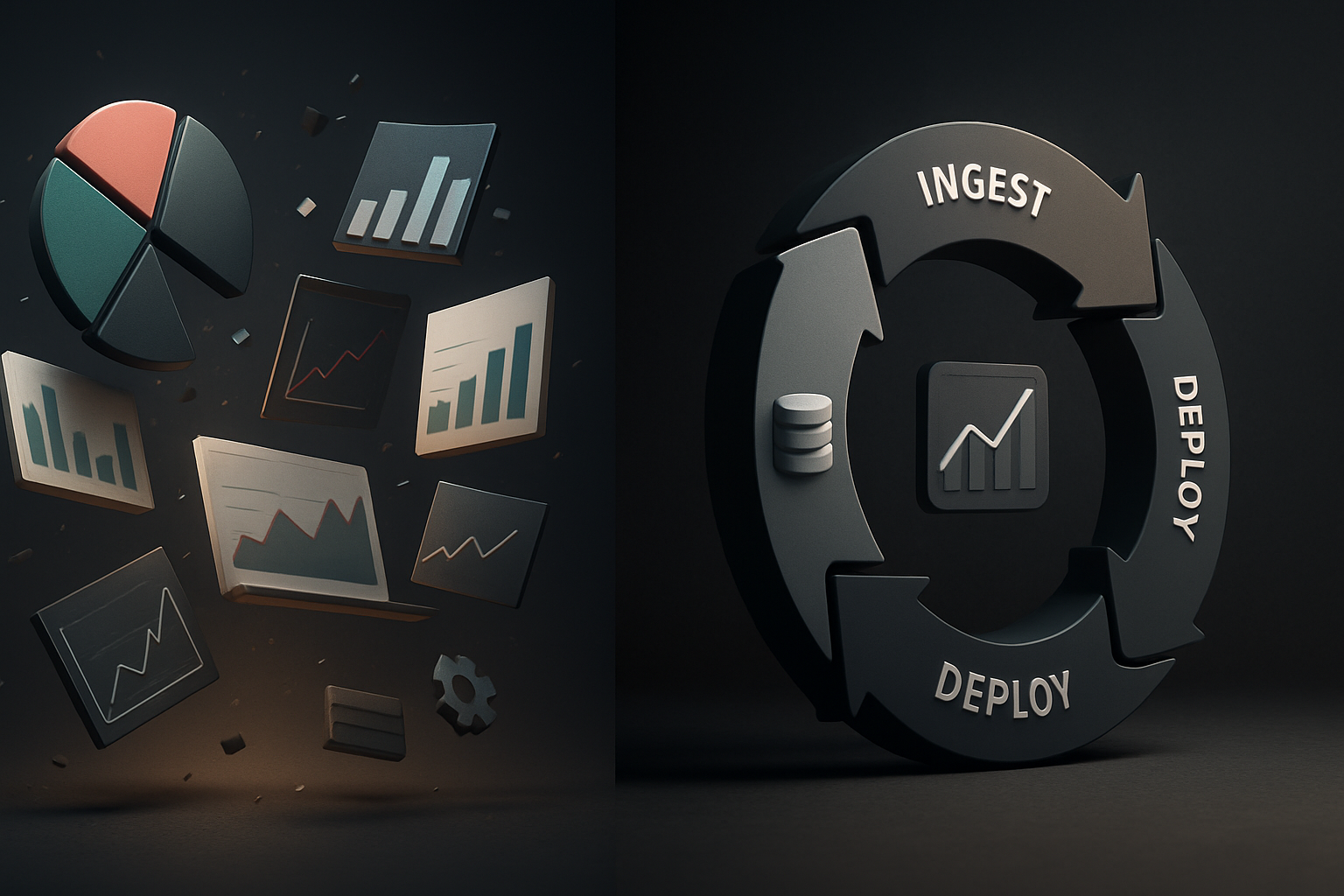
At TechVantage Solutions, we use our own machine learning framework that operates in a continuous loop of data collection, analysis, prediction, and action. Each step in this process builds on the last, creating a cycle of improvement that speeds up results over time. What’s great about this closed-loop system is that every customer interaction, no matter what channel it came from, makes the entire system more intelligent.
Gathering Information From Various Contact Points
Firstly, Catalyst Pro consolidates data from every customer contact point, including website visits, email communications, social media engagement, and customer service interactions. Instead of tracking these interactions separately like conventional analytics, Catalyst Pro forms cohesive customer profiles that expose cross-channel behavior trends. The system identifies over 200 different interaction types and links them to individual customer journeys, offering a detailed look at how customers transition between channels. This extensive data gathering is the groundwork for all future machine learning procedures.
Understanding User Engagement
What makes Catalyst Pro stand out is its sophisticated pattern recognition algorithms that can detect nuanced correlations in user engagement across different platforms. The system is always analyzing which content formats, topics, and delivery times are generating the best response patterns for different audience segments. This analysis isn’t just looking at basic metrics like clicks or conversions. It’s trying to understand the emotional triggers behind engagement—figuring out which parts of the content are triggering curiosity, trust, or urgency.
Catalyst Pro’s pattern recognition engine operates in several dimensions at once, taking into account patterns based on time (hourly, daily, seasonal), content (topics, formats, length), and sequence (which touchpoints usually lead to conversion). By charting these multi-dimensional patterns, Catalyst Pro can predict with impressive precision how specific content will perform across different channels and audiences, enabling optimization to be proactive rather than reactive. For more insights on content strategies, explore the content hub strategy for building topical authority.
Platform-Specific Content Adaptation
Traditionally, one of the most time-consuming aspects of multichannel marketing is the need to adapt content for different platforms. Catalyst Pro’s machine learning algorithms simplify this task by recognizing the nuanced needs of each platform and its audience. The system automatically modifies the length, format, tone, and visuals of content to align with the best practices of each platform, while ensuring the message remains consistent.
As content is released, the system adapts in real-time, constantly fine-tuning its strategy based on performance data. For example, if the algorithm determines that Twitter users respond more favorably to question-based headlines, while LinkedIn users prefer titles driven by statistics, it will automatically make these changes, all while preserving the central message. This feature greatly reduces the resource strain of maintaining omnipresence, while also improving performance across all channels.
Proof in the Pudding: Businesses That Have Attained Genuine Omnipresence
The ultimate test of Catalyst Pro’s machine learning prowess is in the results that companies using the platform have garnered. Companies from various sectors report not just marginal improvements, but transformative results that have fundamentally altered their online presence and the economics of acquiring customers.
Small Fashion Retailer Boosts Visibility By 287%
A small to mid-sized fashion retailer was having a hard time keeping up with the bigger brands, so they turned to Catalyst Pro to help them stretch their limited marketing resources across many channels. In just three months, the retailer saw a 287% increase in the metrics that measure brand visibility, including mentions on social media, impressions from searches, and visits to their website. The machine learning system found an unexpected chance to use Pinterest as a main driver of traffic, and shifted resources to this channel that hadn’t been used much before, based on the patterns of engagement.
The fascinating aspect of this situation was how Catalyst Pro’s calculations uncovered timing patterns that went against the grain. The software discovered that the brand’s intended audience was most open to fashion-related content on Tuesday mornings, not during weekend browsing hours—a surprising discovery that would have been tough to uncover using conventional testing methods. By automatically tweaking the posting schedules to match these patterns, engagement rates rose by 143% without the need for any additional content.
Business Software Firm Doubled Leads
A project management software firm was struggling with generating leads, despite increasing their marketing budget. They turned to Catalyst Pro to solve this problem. The machine learning engine found that their audience was more responsive to educational content that addressed specific issues, rather than messaging that focused on features. The AI also discovered that the audience had different content preferences on different platforms. For instance, they preferred technical content on LinkedIn, but responded better to problem-solution content on Twitter.
After adjusting content to fit the preferences of each platform while keeping the central message the same, the company doubled the amount of qualified leads in six weeks. The most useful information came from Catalyst Pro’s analysis of the customer journey. They found that prospects who saw their content on three or more channels were 4.7 times more likely to convert than those who only saw it on one channel. This confirmed that the omnipresence strategy was effective and provided clear proof of ROI.
Healthcare Provider Expanded Reach by 500%
A regional healthcare network used Catalyst Pro to expand its patient education efforts across digital channels without having to expand its marketing team. The machine learning system was able to identify distinct patterns in the way different demographic groups sought out information, and it automatically directed users to the appropriate resources based on their behavior. For seniors, the system prioritized easy navigation and larger text formats, while younger audiences received more interactive content with greater depth.
The results included a fivefold increase in total audience reach and a 68% improvement in appointment scheduling conversion rates. Perhaps most significantly, patient satisfaction scores improved by 23% as people received more personalized guidance before their first appointment. The machine learning engine identified that providing specific preparation information based on appointment type significantly reduced anxiety and improved the overall patient experience—a connection that wasn’t obvious before the pattern analysis.
Getting Catalyst Pro Up and Running for Your Company
Integrating Catalyst Pro into your business operations requires thoughtful strategy to make the most of its machine learning features. The setup procedure is methodical and designed to reduce the time it takes to start seeing value while also laying the groundwork for ongoing improvements. To maximize your results, consider leveraging the content hub strategy to build topical authority within your industry.
Setting Up the Initial Data Integration
When you first start using Catalyst Pro, the first thing you will need to do is connect it to your current digital ecosystem. Catalyst Pro provides pre-made integrations for the most popular CRM systems, marketing automation platforms, social media accounts, website analytics, and advertising platforms. The time it takes to integrate all of these systems usually ranges from 2-3 weeks, but it can take longer if your technology stack is more complex or if you have a large amount of data. As we are integrating your systems, we will also be importing and normalizing your historical data to create a training dataset for our machine learning algorithms.
Catalyst Pro’s data integration approach stands out because it concentrates on creating unified customer profiles, as opposed to channel-specific analytics. The system identifies connections between seemingly unrelated data points, like linking anonymous website visits with identified social media interactions through probabilistic matching. This extensive data foundation allows the machine learning engine to identify cross-channel patterns that would otherwise remain hidden in siloed analytics systems.
Teaching The System To Understand Your Specific Industry
After the data integration stage, Catalyst Pro starts the teaching process to tailor its systems to your specific industry, audience, and business goals. This step involves guided learning, where the system examines past performance data to recognize patterns specific to your industry. Unlike regular marketing platforms, Catalyst Pro’s teaching process includes industry-specific benchmarks and behavior models taken from similar implementations.
The training process is a combination of automated pattern recognition and collaborative refinement with your marketing team. Experts in the subject matter provide contextual information about seasonal factors, competitive dynamics, and business priorities that help the system interpret data patterns more accurately. This approach, which includes human involvement, speeds up the learning process while ensuring that the ML models align with strategic objectives rather than just optimizing for easily measurable metrics.
When to Expect Results
Most businesses start to see significant improvements within a month of finishing the integration and training stages, with the most noticeable results usually showing up around the 90-day mark. The machine learning system becomes more efficient as it gathers more data about your particular audience and market dynamics over time. Many clients have noted that the second quarter of implementation yields a much higher return on investment than the first, as the algorithms reach peak performance levels.
How Advanced Machine Learning is Shaping the Future of Omnipresence
As the machine learning capabilities of Catalyst Pro continue to improve, the future of omnipresence in the digital world points towards even more personalization and predictive engagement. The next big thing involves anticipatory content deployment, where machine learning algorithms not only optimize existing strategies but also identify emerging opportunities before they become apparent through traditional analytics. This predictive capability will allow brands to establish a presence in new channels or topics just as the audience interest begins to peak, rather than reacting to trends that have already been established.
Another significant development on Catalyst Pro’s roadmap is the integration of real-world data streams. The system will create even more contextually relevant experiences that respond to external factors affecting consumer behavior by incorporating weather patterns, economic indicators, and location-based signals into its algorithms. This environmental awareness will enable truly adaptive omnipresence strategies that adjust not just to online behavior patterns but to the full spectrum of influences shaping customer decisions. Learn more about how building topical authority can enhance these strategies.
Common Queries
After talking to numerous marketing leaders who are using Catalyst Pro, these are the questions we hear the most about using machine learning to ensure you’re everywhere at once.
How Does Catalyst Pro Stand Out From Other AI Marketing Tools?
Most platforms provide fundamental AI capabilities for individual channels. However, Catalyst Pro sets itself apart with its unified intelligence layer that works across all touchpoints at once. Conventional tools may optimize email subject lines or social media posting times, but they work in a silo, resulting in disjointed experiences as customers switch between channels. Catalyst Pro, on the other hand, maintains a holistic understanding of each customer’s journey, making coordinated optimizations that take into account the whole experience rather than isolated interactions. For more insights on how Catalyst Pro achieves this, you can read about Catalyst Pro’s speed and authenticity.
What sets Catalyst Pro apart is its structure. Instead of using different algorithms for different channels, Catalyst Pro uses a central machine learning engine that processes data from all sources before making any decisions. This allows the system to identify complex patterns that span multiple touchpoints, which would not be visible to tools that optimize channels separately. For more insights on how this approach can enhance your marketing efforts, explore the content hub strategy.
What sets Catalyst Pro apart is its ability to continually develop its knowledge of your market and audience via reinforcement learning, thus becoming more effective over time. Catalyst Pro’s algorithms are not like static AI tools that use fixed logic. Instead, they continually experiment with new methods and integrate successful strategies into their primary strategy. This creates a system that becomes more valuable with each customer interaction.
Do I Need To Be A Tech Whiz To Use Catalyst Pro?
Catalyst Pro is built to be used by marketing pros who don’t have a specific tech background. The platform takes care of the complicated machine learning operations in the background while giving you easy-to-use interfaces for defining your strategy, managing your content, and analyzing your performance. To implement it, you’ll need to do some basic data integration to connect your current marketing systems, but this is usually done by the integration team at TechVantage Solutions, so you won’t need to use your own tech resources.
However, the companies that get the most out of Catalyst Pro usually build up some in-house skills in data analysis and machine learning principles over time. The platform offers a wealth of training materials and advice to assist marketing teams in learning how to work effectively with the AI system, understand its suggestions, and provide strategic direction to improve the algorithm’s performance.
Is Catalyst Pro Suitable For Small Businesses On A Tight Budget?
Originally created for large-scale corporations, Catalyst Pro now offers scaled-down options specifically tailored to small and mid-sized businesses. The platform’s machine learning features actually offer increased value for companies with limited resources, as the automation and optimization effectively amplify the efforts of small marketing teams. Many smaller clients have reported that Catalyst Pro has enabled them to compete effectively against much larger competitors by maintaining a consistent presence across channels that would otherwise require a significant increase in staff.
How Catalyst Pro Maintains Brand Uniformity Across Multiple Platforms
Keeping a consistent brand image while optimizing for various channels is a big challenge for omnipresence strategies. Catalyst Pro solves this problem with its content adaptation engine. This engine differentiates between the main messaging elements that should remain the same and the presentation elements that can be optimized for each platform. The system keeps the main brand language, value propositions, and visual identity the same while adjusting the format, length, and delivery style based on the best practices for each channel.
The platform comes with tailor-made brand guidelines that set boundaries for the machine learning algorithms, essentially building a safety net that guarantees all automated enhancements stay within your brand guidelines. These guidelines can outline acceptable language, tone variations, visual needs, and other elements that make up your brand identity while still giving the system enough leeway to improve performance.
What Kind Of Companies Can Benefit Most From Catalyst Pro’s System?
Although Catalyst Pro has been successfully implemented by companies in various industries, the platform is particularly effective for businesses with complex customer journeys that include multiple decision points and touchpoints. B2B companies with longer sales cycles find this extremely valuable, as the machine learning system is particularly good at nurturing prospects over longer periods and across multiple channels. Similarly, consumer brands that target a variety of audience segments benefit from Catalyst Pro’s ability to dynamically change messages and channel mix for different types of customers.
Most successful implementations have a common theme: they are committed to data-driven marketing and are willing to challenge conventional assumptions about customer behavior. Organizations that see Catalyst Pro as a strategic transformation rather than just a tactical tool usually get the most significant results, as they give the machine learning system enough authority to implement its recommendations on a large scale.
If your company has the ability to produce content but struggles with optimization and distribution, you may benefit from the machine learning capabilities of Catalyst Pro. This system can help you get your creative assets in front of the right people, on the right platforms, at the right time, often leading to a 3-5x increase in engagement metrics without the need for additional content creation resources.
Ready to make your brand feel “everywhere” without growing your team? Start your ML-powered omnipresence now at app.em2bos.com.

