
Key Takeaways
- Micro-influencers (1,000-100,000 followers) deliver up to 60% higher engagement rates than macro-influencers, making them ideal partners for SMBs with limited marketing budgets
- Small businesses can launch effective micro-influencer campaigns for as little as $200-$500, compared to thousands required for celebrity influencers
- Niche-focused micro-influencers provide targeted audience access and authentic connections that drive higher conversion rates for small businesses
- Local micro-influencers can help small businesses penetrate specific geographical markets with credibility that mass marketing cannot achieve
- Keyhole provides small businesses with powerful tools to identify the perfect micro-influencers who align with their brand values and target audience
When it comes to digital marketing, small businesses often assume they need big names with millions of followers to make an impact. The reality? The most powerful marketing asset for your SMB might be hiding in plain sight with just a few thousand followers. Micro-influencers are revolutionizing how small businesses approach social media marketing—delivering better engagement, higher conversion rates, and more authentic connections at a fraction of the cost.
The influencer marketing landscape has dramatically shifted in recent years. While mega-celebrities once dominated the space, data now consistently shows that smaller, more focused influencers drive significantly better results for businesses that don’t have enterprise-level budgets. For small business owners, this shift represents an incredible opportunity to compete with larger competitors without draining your marketing resources.
In my decade working with hundreds of SMBs across diverse industries, I’ve witnessed firsthand how the right micro-influencer partnership can transform a struggling business into a thriving one. This guide will walk you through everything you need to know about leveraging these powerful partnerships—from finding the perfect match to measuring ROI and scaling your efforts.
Why Micro-Influencers Are the Secret Weapon for Small Businesses
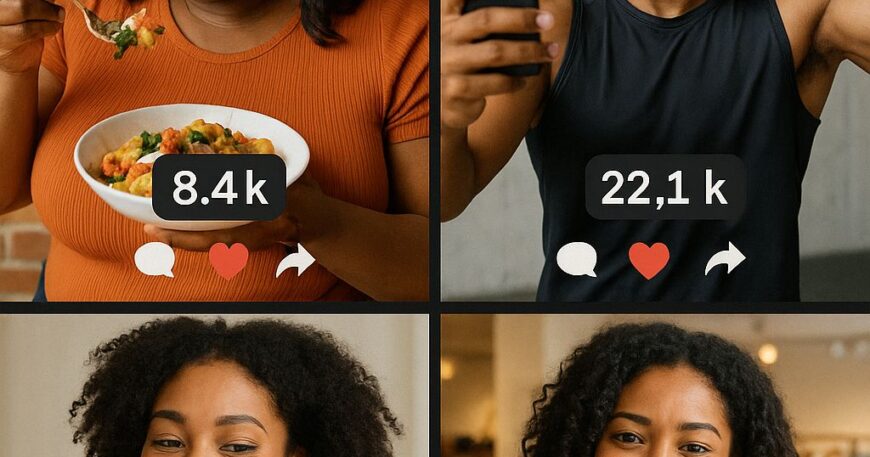
Micro-influencers typically have between 1,000 and 100,000 followers, but don’t let these smaller numbers fool you. What these creators lack in reach, they more than make up for in engagement and conversion power. Their audiences are typically more targeted, more loyal, and more likely to act on recommendations compared to the passive followers of celebrity influencers. Studies consistently show that engagement rates begin to decline once an influencer crosses the 100,000 follower threshold—precisely when many brands start to take notice of them.
What makes micro-influencers particularly valuable is their perceived authenticity. Their recommendations carry the weight of a trusted friend rather than a paid celebrity endorsement. When a local food blogger with 8,000 dedicated followers raves about your café’s new menu, their audience doesn’t just scroll past—they make plans to visit. This level of influence stems from consistent, specialized content that establishes genuine expertise in a specific niche.
The Real Cost Difference: Micro vs. Macro Influencers
The financial barrier to entry for influencer marketing has traditionally kept many small businesses on the sidelines. A single Instagram post from a major celebrity can cost anywhere from $50,000 to over $1 million—numbers that would make any small business owner’s heart sink. But micro-influencer partnerships operate in an entirely different financial universe, making quality influencer marketing accessible to businesses of all sizes.
Average Price Points That Won’t Break Your Budget
Micro-Influencer Cost Comparison by Platform
Instagram: $100-$500 per post (10K-50K followers)
TikTok: $150-$750 per video (10K-50K followers)
YouTube: $200-$1,000 per video (5K-25K subscribers)
Blog Post: $150-$600 per article (5K-20K monthly readers)
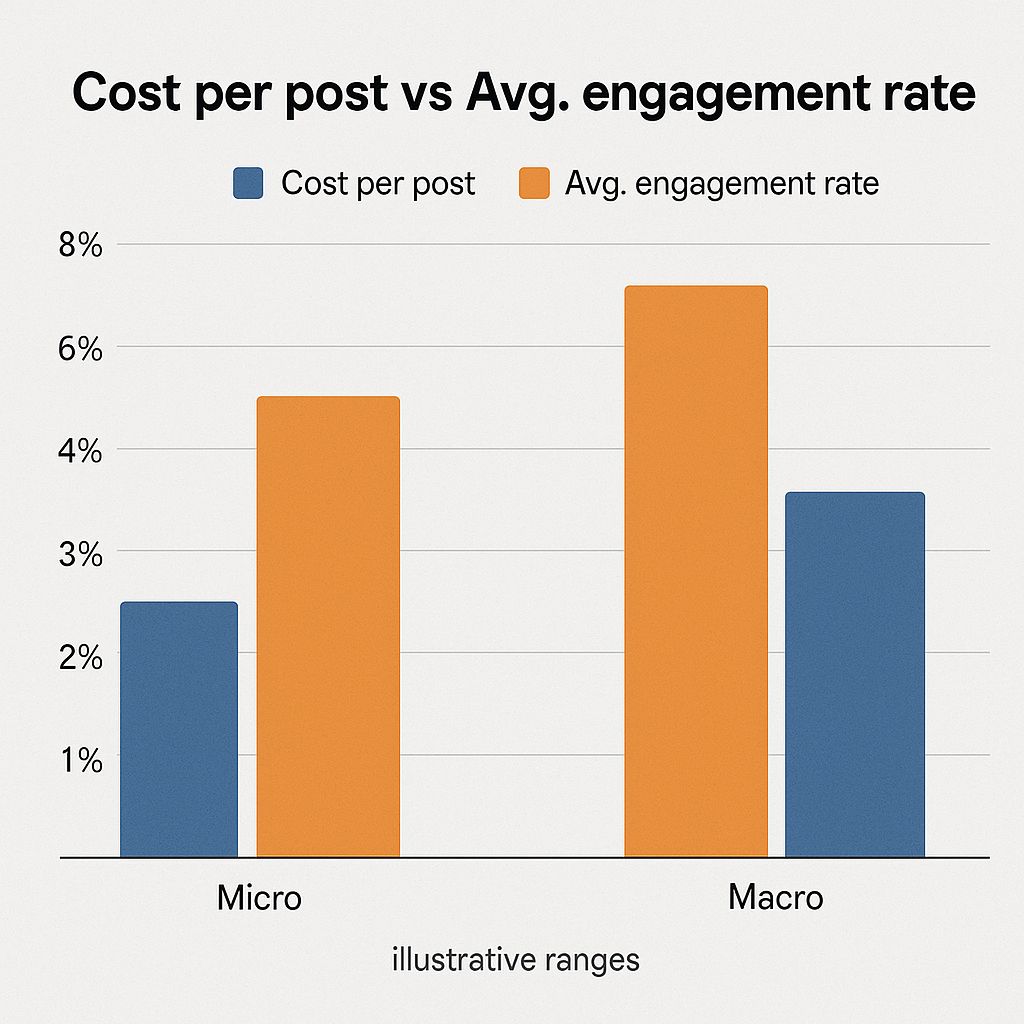
The data speaks for itself—micro-influencer campaigns typically cost 6-10x less than macro-influencer partnerships while delivering comparable or better business outcomes for small businesses. Many micro-influencers are also open to product-based compensation or hybrid arrangements, particularly when working with small businesses they genuinely connect with. This flexibility creates opportunities for businesses with tight cash flow but excellent products or services.
I’ve worked with local restaurants that transformed their customer base with as little as $500 invested in partnerships with food bloggers who had just 5,000 followers. What made these partnerships work wasn’t the follower count—it was the perfect alignment between the influencer’s audience and the restaurant’s ideal customer. This precision targeting is nearly impossible to achieve with broader influencers or traditional advertising methods.
ROI Comparison: More Bang for Your Buck
The real magic of micro-influencer marketing for small businesses isn’t just the lower upfront costs—it’s the superior return on investment. While macro-influencers might generate more impressions, micro-influencers consistently deliver higher conversion rates. According to recent industry research, micro-influencer campaigns generate an average of $5.78 for every dollar spent, compared to $3.21 for celebrity influencers. This difference becomes even more pronounced when working with influencers whose audience demographics precisely match your customer profile.
Hidden Costs to Watch For
While micro-influencer marketing is more affordable, there are potential hidden costs that small businesses should anticipate. Content production requirements, exclusivity fees, and usage rights can all impact your bottom line if not properly negotiated upfront. The most significant hidden cost, however, is often the time investment required to properly manage these relationships. Unlike larger companies with dedicated social teams, small business owners frequently handle these partnerships personally, which creates an opportunity cost that should be factored into your ROI calculations.
Successful small businesses typically allocate 5-10 hours per month to managing each active micro-influencer relationship, including communication, content approval, and performance tracking. This time investment decreases as you establish systems and long-term partnerships, but should be considered when launching your first campaign. Tools like content calendars, approval templates, and tracking spreadsheets can significantly streamline this process.
5 Reasons SMBs Should Choose Micro Over Macro Influencers
The decision between micro and macro influencers isn’t just about budget—it’s about strategic advantage. Small businesses face unique marketing challenges that micro-influencers are uniquely positioned to address. Their concentrated influence often creates more meaningful business impact than the broader but shallower reach of larger influencers.
1. Higher Engagement Rates (With Real Numbers)
Engagement is the true currency of influencer marketing, and micro-influencers are the undisputed champions in this arena. While macro-influencers with followers in the millions might seem impressive, their engagement rates typically hover around 1.7%. In stark contrast, micro-influencers with 10,000-50,000 followers achieve average engagement rates of 4-8%—sometimes reaching as high as 10% with highly specialized content.
This engagement differential translates directly to business results. A micro-influencer with 25,000 followers and a 6% engagement rate will have 1,500 people meaningfully interacting with their content. A macro-influencer with 500,000 followers but only 1.5% engagement reaches 7,500 people—more in absolute numbers but at a cost that’s typically 20-30 times higher. For small businesses with limited marketing budgets, this math simply doesn’t add up. Discover more about micro-influencers marketing solutions for small businesses.
The quality of engagement also differs significantly. Micro-influencer audiences tend to ask more questions, leave more detailed comments, and take action at higher rates than the passive followers of larger accounts. This active audience participation creates natural opportunities for small businesses to join conversations and build relationships with potential customers.
2. More Affordable Campaign Options
Beyond the basic cost difference, micro-influencers offer more flexible campaign structures that accommodate small business realities. While macro-influencers often require minimum campaign commitments and complicated contracts, micro-influencers are typically open to testing smaller collaborations before scaling. This allows small businesses to validate their influencer strategy with minimal financial risk.
Many micro-influencers are also building their own businesses and understand the constraints of limited budgets. This shared entrepreneurial mindset often leads to more creative compensation arrangements—from revenue sharing to long-term partnerships that grow alongside both businesses. The most successful small business influencer partnerships I’ve facilitated have evolved from single posts to comprehensive ambassador relationships that deliver consistent results month after month.
3. Authentic Connections to Niche Audiences
The hyper-specialization of micro-influencers creates opportunities for precise audience targeting that larger influencers simply cannot match. Whether you’re selling handcrafted jewelry, specialized business services, or organic pet food, there are micro-influencers whose audiences align perfectly with your ideal customer profile. This audience alignment significantly reduces wasted impressions and improves conversion efficiency.
When micro-influencers share content about your business, it feels organic rather than promotional. Their audiences have come to trust their recommendations specifically within their area of expertise, creating a credibility transfer that’s difficult to achieve through other marketing channels. This authentic advocacy is particularly valuable for small businesses still building their brand reputation, enhancing their e-commerce experiences.
4. Easier Relationship Building
Successful influencer marketing isn’t just a transactional exchange—it’s a relationship. Micro-influencers are considerably more accessible than their larger counterparts, making it possible for small business owners to develop genuine connections. They typically manage their own accounts, respond to direct messages, and value the collaborative aspect of brand partnerships.
This accessibility translates to more customized content that authentically integrates your business into their established narrative. Rather than delivering standardized sponsored posts, micro-influencers can create content that feels natural to their audience while effectively communicating your brand’s value proposition. The most successful micro-influencer campaigns don’t look like advertisements at all—they look like enthusiastic recommendations from a trusted source.
5. Local Market Penetration
For brick-and-mortar small businesses, location-based marketing is essential. Local micro-influencers offer an unmatched ability to reach customers within specific geographic areas. A food influencer with 15,000 followers in your city will drive more foot traffic to your restaurant than a celebrity chef with millions of followers spread across the globe. This targeted local reach makes micro-influencers particularly valuable for service businesses, retail stores, and other location-dependent enterprises.
Local micro-influencers also understand community contexts that broader influencers miss. They know local events, competitive landscapes, and customer preferences specific to your market. This insider knowledge allows them to position your business in ways that resonate with local consumers, creating marketing messages that feel relevant rather than generic.
How to Find the Perfect Micro-Influencers for Your Small Business
Identifying the right micro-influencers is perhaps the most critical step in your campaign’s success. The perfect partner isn’t just someone with the right follower count—they’re a creator whose content style, audience demographics, values, and communication approach align with your business objectives. Keyhole provides small businesses with powerful tools to identify and analyze potential influencer partners, making this process more efficient and effective.
Search Techniques That Actually Work
The most effective micro-influencer search begins with your existing community. Check your business’s social media followers, website visitors, and customer email list for potential micro-influencers who already appreciate your brand. These warm connections typically result in more authentic partnerships and higher conversion rates than cold outreach to unfamiliar creators.
Beyond your immediate network, strategic hashtag research can reveal micro-influencers operating in your niche. Instead of focusing solely on broad industry hashtags, look for conversation clusters around specific topics relevant to your business. A sustainable clothing brand might find better partners by searching #EthicalFashion or #SlowFashionMovement rather than just #FashionBlogger.
Geographic targeting can be equally powerful for local businesses. Searching location tags for popular spots in your area often reveals local micro-influencers with engaged audiences. These creators frequently cover multiple local businesses, making them ideal partners for small businesses focused on community presence.
Competitor analysis provides another valuable discovery avenue. Identifying micro-influencers who have worked with similar businesses (but not direct competitors) can reveal potential partners already familiar with your industry. Review these past collaborations to gauge content quality and audience response before adding candidates to your outreach list.
- Review your social media followers and customer list first
- Search specialized hashtags related to your niche, not just broad industry terms
- Use location tags and geo-targeting to find local micro-influencers
- Analyze who’s working with complementary businesses in your market
- Check engagement quality (not just quantity) on sponsored content
Red Flags to Avoid When Vetting Potential Partners
Not all micro-influencers will be right for your business, regardless of their follower count or content quality. Watch for warning signs like inconsistent posting schedules, sudden follower growth spikes that suggest purchased followers, or engagement that doesn’t align with follower numbers. Equally important are content inconsistencies, where sponsored posts differ dramatically from their regular content—this suggests the influencer may not be integrating brand partnerships naturally, which diminishes their effectiveness as an authentic advocate for your business.
Your First 30 Days: A Step-by-Step Micro-Influencer Launch Plan
Success with micro-influencer marketing requires a systematic approach, especially for small businesses without dedicated marketing teams. This 30-day plan breaks down the process into manageable weekly tasks that will take you from initial concept to measuring results on your first campaign. The most common mistake small businesses make is rushing this process, which leads to misaligned partnerships and disappointing outcomes. Each phase builds on the previous one to create a solid foundation for ongoing influencer relationships.
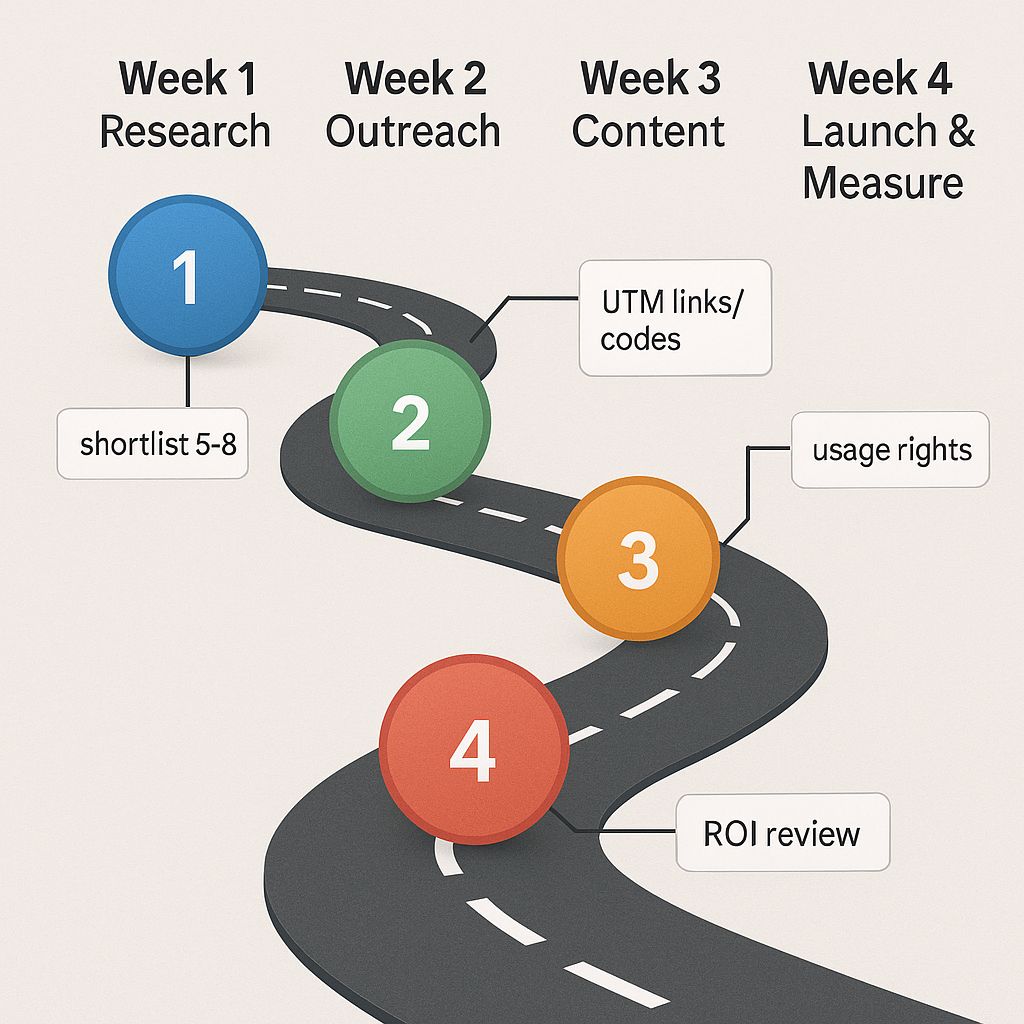
Week 1: Research and Selection
Dedicate your first week to thorough research and influencer selection. Start by clearly defining your campaign goals—are you looking to boost brand awareness, drive traffic to your website, increase local foot traffic, or generate direct sales? This clarity will guide every subsequent decision. Next, identify 15-20 potential micro-influencers using the techniques discussed earlier, focusing on those whose audience demographics match your target customer profile. Analyze their content style, engagement patterns, and previous brand collaborations to narrow your list to 5-8 top candidates who align with your brand values and aesthetic.
Week 2: Outreach and Negotiation
Now it’s time to make contact with your selected influencers. Craft personalized outreach messages that demonstrate genuine familiarity with their content and explain why you believe a partnership would benefit both parties. Avoid generic templates—micro-influencers receive dozens of partnership requests and quickly recognize cookie-cutter approaches. When an influencer responds positively, schedule a video call or phone conversation to discuss campaign details, establish rapport, and assess communication compatibility.
During negotiation, be transparent about your budget constraints while emphasizing the potential for long-term collaboration. Many micro-influencers value ongoing relationships over one-time higher payments, especially with small businesses they genuinely support. Finalize agreements with 2-3 influencers, documenting clear expectations for content deliverables, posting schedule, approval processes, and compensation terms. This documentation prevents misunderstandings that could damage both the campaign and the relationship.
Week 3: Content Planning and Approval
The third week focuses on collaborative content development. Share your brand guidelines, key messaging points, and any specific calls-to-action, but avoid overly restrictive requirements that might stifle the influencer’s authentic voice. The most effective campaigns leverage the influencer’s content expertise while incorporating your strategic objectives. Work together to develop content concepts that feel natural within their feed while effectively communicating your value proposition.
Request content drafts or concepts for review before publication, providing constructive feedback that respects the influencer’s creative approach. This preview period allows you to ensure accuracy of product information, align messaging with your broader marketing strategy, and address any potential concerns before content goes live. Be responsive during this process—delayed approvals create scheduling challenges for influencers and can damage working relationships.
Week 4: Launch and Measurement
Essential Metrics to Track in Your First Campaign
Reach: Total impressions and unique viewers
Engagement: Likes, comments, shares, and saved content
Conversion: Link clicks, coupon uses, new followers, direct sales
Sentiment: Comment tone, direct messages, customer feedback
ROI: Total cost vs. attributable revenue generated
As content goes live in your final week, maintain open communication with your influencers about performance and audience response. Many micro-influencers will adjust their approach based on initial engagement, sometimes offering additional story mentions or comment responses to boost performance. Monitor both quantitative metrics and qualitative feedback, tracking how the campaign influences website traffic, social media growth, and business inquiries.
Document everything during this phase—from successful content formats to audience questions that arise repeatedly. These insights will prove invaluable for refining future campaigns. Small details, like which product features generated the most comments or what posting times drove highest engagement, can significantly improve your next influencer partnership.
Schedule a post-campaign review with each influencer to discuss results, gather their audience insights, and explore opportunities for continued collaboration. This conversation often reveals valuable perspectives that aren’t evident from analytics alone. The most successful small businesses treat this first 30-day cycle as the beginning of an ongoing relationship rather than a one-time marketing tactic.
Turn Micro-Influencer Partnerships Into Long-Term Growth
The true power of micro-influencer marketing for small businesses emerges over time, as one-off collaborations evolve into strategic partnerships. The businesses that achieve the greatest ROI from influencer marketing maintain relationships with a core group of aligned creators who become authentic brand advocates. These long-term relationships deliver compounding returns as the influencer’s audience develops increasing familiarity with your business through consistent, varied exposure rather than a single sponsored post. Learn how enhancing eCommerce experiences can further amplify your brand’s reach and engagement.
Consider creating a structured ambassador program that offers your best-performing influencer partners ongoing incentives, early product access, and exclusive content opportunities. This approach transforms transactional sponsorships into meaningful business relationships that benefit both parties. Many small businesses find that their most valuable marketing assets become these micro-influencer partners who genuinely believe in what they offer and communicate that enthusiasm authentically to their engaged audiences.
Frequently Asked Questions
After helping hundreds of small businesses implement micro-influencer strategies, I’ve noticed certain questions arise consistently. These practical considerations often determine whether a campaign succeeds or fails, regardless of how perfect the influencer match might seem on paper. Addressing these concerns proactively will help you avoid common pitfalls and set realistic expectations for your influencer marketing efforts.
The most important perspective to maintain is that influencer marketing is a long-term strategy, not a quick fix. While some campaigns generate immediate results, the full value of these relationships typically develops over months as the influencer’s audience becomes more familiar with your brand. Patience combined with consistent measurement will help you refine your approach for maximum impact.
Below I’ve answered the questions I hear most frequently from small business owners starting their influencer marketing journey. These practical insights come from years of observing what works—and what doesn’t—across diverse industries and business models. For more detailed strategies, check out this guide on micro-influencers marketing solutions for small business.
“The best micro-influencer partnerships don’t feel like marketing at all—they feel like authentic enthusiasm from a trusted source.”
This truth underlies every successful small business influencer campaign. When you find partners whose genuine interest in your products or services shines through in their content, the marketing aspect becomes almost invisible. This authenticity is what separates high-converting influencer content from obvious paid promotions that audiences quickly scroll past. For more insights, explore this micro-influencers marketing solution for small business.
How many micro-influencers should a small business work with to start?
Start with 2-3 micro-influencers for your first campaign. This limited scope allows you to develop quality relationships, properly manage the content creation process, and accurately track performance without overwhelming your resources. As you refine your processes and better understand which influencer types drive results for your specific business, you can gradually expand to 5-8 ongoing relationships. Quality always trumps quantity in micro-influencer marketing—a single perfect partnership will outperform dozens of misaligned collaborations. For more insights on optimizing your business strategies, consider enhancing your eCommerce experiences.
What’s a reasonable budget for a first-time micro-influencer campaign?
A small business can launch an effective first micro-influencer campaign for as little as $500-$1,500 total, depending on your industry and campaign objectives. This budget typically covers partnerships with 2-3 micro-influencers, with compensation ranging from $100-$300 per content piece plus product costs. While this investment is significantly lower than traditional advertising channels, it’s important to allocate additional resources for relationship management, content approval, and performance tracking.
As you gain experience, consider developing a tiered compensation structure that rewards performance and longevity. Many successful small businesses offer base compensation plus performance bonuses tied to concrete metrics like coupon redemptions or direct sales. This approach aligns incentives and encourages influencers to maximize campaign effectiveness rather than simply fulfilling minimum requirements.
- Nano-influencers (1K-10K followers): $50-$150 per post
- Mid-range micro-influencers (10K-50K followers): $150-$500 per post
- Upper-tier micro-influencers (50K-100K followers): $500-$1,000 per post
- Long-term partnerships: Consider 20-30% discounts for multi-content commitments
- Product compensation: Appropriate for nano-influencers or initial test collaborations
Remember that these ranges vary significantly by industry, content format, and geographic location. Specialized B2B micro-influencers typically command higher rates than lifestyle content creators, while video content generally costs more than static posts due to increased production requirements. For example, in ecommerce experiences, influencer rates can vary based on the complexity and reach of the campaign.
Should I let micro-influencers create their own content or provide strict guidelines?
The most effective approach is a balanced collaboration that leverages both your brand expertise and the influencer’s content skills. Provide clear guidance on key messaging points, important product features, and any specific calls-to-action, but allow significant creative freedom in how these elements are presented. Micro-influencers have built their audiences through specific content styles and know what resonates with their followers far better than an outside brand could. To learn more about enhancing customer engagement through tailored content, check out our insights on enhancing ecommerce experiences.
Content that feels forced or uncharacteristic will underperform regardless of how perfectly it aligns with your brand guidelines. The businesses that achieve the highest ROI from micro-influencer partnerships respect the creator’s expertise while ensuring their brand is accurately represented. This collaborative approach typically produces content that performs better than either strictly controlled brand content or completely unguided influencer posts.
How quickly can I expect to see results from a micro-influencer campaign?
Initial engagement metrics like impressions, comments, and link clicks will be visible immediately, but meaningful business impact typically develops over 60-90 days. This timeline allows for multiple content pieces, audience familiarization with your brand, and the completion of longer customer journeys. While some conversions may happen immediately—particularly for lower-priced products or limited-time offers—the full value of micro-influencer partnerships emerges through consistent presence rather than one-time exposure. Set appropriate expectations with stakeholders and track both immediate engagement metrics and longer-term business indicators like website traffic quality, social media growth, and customer acquisition cost improvements.
Is it better to find micro-influencers through agencies or direct outreach?
For most small businesses, direct outreach is more cost-effective and results in more authentic partnerships than working through agencies. While agencies simplify the process, they add significant costs and sometimes prioritize influencers on their roster over those who might be perfect for your specific needs. The personal connection established through direct outreach often creates stronger working relationships and more enthusiastic content. However, as your influencer program scales beyond 8-10 active partners, agency support or dedicated in-house management becomes increasingly valuable for maintaining relationship quality and campaign consistency.
The most successful small businesses develop a hybrid approach over time: maintaining direct relationships with their core micro-influencer partners while using agencies or platforms to identify and test new talent. This balanced strategy combines the authenticity advantages of direct collaboration with the efficiency benefits of professional management.
Turn influencer buzz into booked revenue. Route each creator’s link/code into your free Business Operating System, auto-tag and nurture leads via SMS/email, schedule consults, take payments, and see which partners drive sales. Get started at em2bos.com.

