

Key Takeaways
- Social proof marketing leverages customer experiences to build trust, with 88% of consumers trusting user reviews as much as personal recommendations
- Strategically placed testimonials can increase conversion rates by up to 34%, particularly when they address specific customer pain points
- User-generated content creates 29% higher web conversion rates than campaigns without it
- The psychology of social validation taps into our inherent desire to make decisions based on what others have already validated
- Effective review management, including properly handling negative feedback, can transform detractors into loyal advocates
In a world where consumers are bombarded with marketing messages, the one thing that cuts through the noise isn’t your clever tagline or beautiful website—it’s what others say about you. When 92% of consumers hesitate to make a purchase without first reading reviews, ignoring social proof isn’t just an oversight—it’s a business liability.
Why Customers Don’t Trust You (And How Social Proof Fixes That)
Trust is in short supply these days. With thousands of marketing messages hitting consumers daily and an abundance of options just a click away, skepticism has become the default position for most shoppers. Your potential customers aren’t just wondering if your product works—they’re questioning if you’re telling them the truth at all.
This is where social proof becomes your most powerful ally. Trustmark’s recent consumer behavior study reveals that websites featuring authentic customer reviews experience up to 270% higher conversion rates compared to those without. Social proof isn’t just a marketing tactic—it’s the bridge between consumer doubt and purchasing confidence.
What makes social proof so effective is its objectivity in the eyes of consumers. While your marketing team can craft the perfect product description, it’s the unfiltered voice of previous customers that resonates with skeptical shoppers. They want to hear from people just like them who had the same concerns but took the leap and were rewarded for it.
What Makes Social Proof So Powerful in Marketing
The magic of social proof lies in its ability to transform abstract claims into concrete evidence. When potential customers see others achieving the results they desire, suddenly your promises become believable, your price point justifiable, and your solution worth trying.
The Psychology Behind Social Validation
Humans are inherently social creatures with a deep-rooted tendency to follow the crowd. This psychological principle, known as social validation, explains why we naturally look to others’ actions to determine our own. When we see someone enjoying a product or vouching for a service, our brains subconsciously register it as “pre-approved” by our social tribe.
This phenomenon is backed by research showing that 83% of consumers trust recommendations from peers over traditional advertising. Our brains are wired to take shortcuts in decision-making, and seeing others’ positive experiences provides the mental shortcut we crave when evaluating new products or services.
How Social Proof Shortens the Buying Cycle
The modern buying journey involves multiple touchpoints and consideration phases. Without social proof, customers must progress through each stage relying solely on your marketing claims. This extends the sales cycle and increases the chances they’ll drop off before converting.
Strategic social proof placement at key decision points dramatically shortens this process. When a potential customer sees that others have already vetted your product and experienced positive outcomes, they can bypass much of their own research phase. This acceleration effect is particularly powerful for higher-priced offerings where the perceived risk is greater.
“We added customer testimonials to our product pages and saw a 34% increase in conversion rate within the first month. The key was using testimonials that specifically addressed the main objections our customers had.” — Sarah Chen, eCommerce Director
Why Third-Party Endorsements Outperform Brand Claims
When you make claims about your own product, consumers naturally apply a skepticism filter. After all, you have a vested interest in portraying your offering in the best possible light. Third-party endorsements bypass this filter because they come from individuals with no financial stake in your success.
The credibility gap between what brands say and what customers believe is substantial. Research shows that 92% of consumers trust peer recommendations, while only 33% trust traditional advertisements. This stark contrast explains why even modest investments in gathering and showcasing customer feedback can outperform expensive advertising campaigns.
The most powerful third-party endorsements come from people who resemble your target customer. When prospects can see themselves in your testimonials—facing the same challenges, harboring similar doubts, and ultimately achieving desired results—the persuasive effect multiplies significantly.
7 Types of Social Proof That Convert Skeptics Into Buyers
Not all social proof is created equal. Different formats resonate with different audiences and work better at various stages of the buyer’s journey. The most successful social proof strategies employ multiple formats strategically placed throughout the customer experience.
1. Customer Reviews: The Foundation of Trust
Reviews represent the cornerstone of any social proof strategy. They provide unfiltered feedback that helps potential customers gauge whether your product or service will meet their specific needs. The power of reviews lies in their volume, recency, and authenticity.
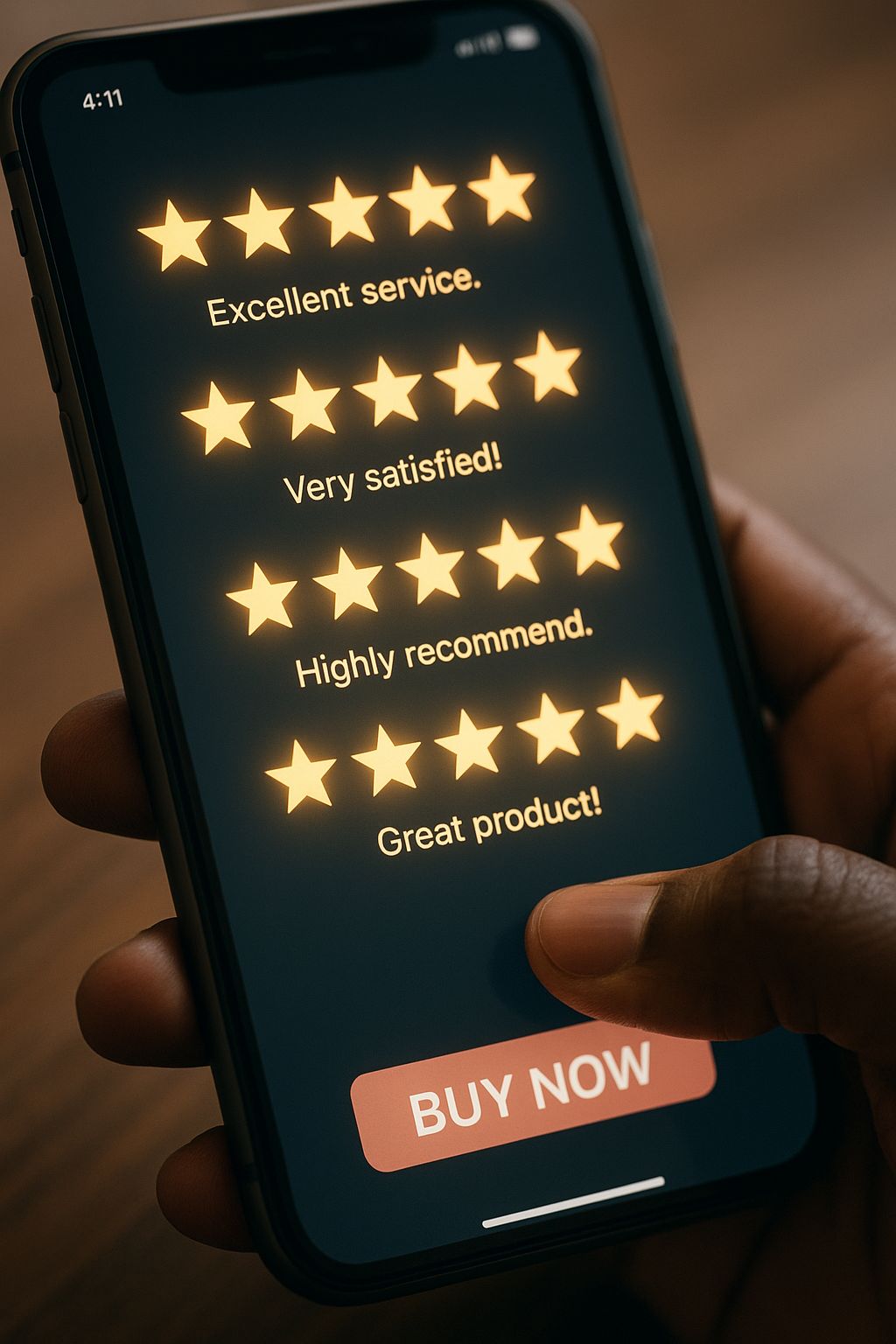
- Star ratings create instant visual validation and help products stand out in crowded marketplaces
- Detailed text reviews address specific concerns and highlight benefits from a user perspective
- Verified purchase badges add an additional layer of credibility to reviews
- Recent reviews demonstrate that your product continues to satisfy customers
- Response to negative reviews shows your commitment to customer satisfaction
2. Testimonials: Storytelling That Sells
While reviews offer breadth, testimonials provide depth. They tell the complete customer journey—from initial problem to eventual solution—in a narrative format that resonates emotionally. Testimonials work because they transform abstract benefits into concrete stories that prospects can relate to and envision for themselves. For more insights on enhancing customer experiences, check out enhancing e-commerce experiences.
The most effective testimonials follow a before-and-after structure, clearly illustrating the transformation your product or service enabled. This storytelling approach taps into our brain’s natural preference for narratives over statistics, making the benefits of your offering more memorable and compelling.
3. Case Studies: Proof Through Results
For complex or high-ticket offerings, case studies provide the comprehensive validation needed to justify significant investments. These in-depth success stories document the entire customer experience, complete with measurable results and specific implementation details that build confidence in your solution’s efficacy.
Case studies work particularly well in B2B contexts where decision-makers need to justify purchases to stakeholders. By showcasing quantifiable outcomes—like a 213% ROI or 45% reduction in operational costs—case studies transform your value proposition from theoretical to proven. They provide the evidence needed to overcome the “prove it” hurdle that often stalls purchasing decisions.
4. User-Generated Content: Authentic Brand Advocacy
When customers create content featuring your product without prompting, it represents the gold standard of social proof. User-generated content (UGC) ranges from social media posts and unboxing videos to product photos and creative applications of your offering. Research shows that UGC creates 29% higher web conversion rates than campaigns without it.
What makes UGC particularly powerful is its unscripted nature. When potential customers see real people—not paid actors or carefully selected testimonials—genuinely excited about your product, it creates an authenticity that traditional marketing simply cannot match. Smart brands are now designing products and experiences specifically to encourage shareable moments, knowing that customer-created content often outperforms professional campaigns.
5. Expert Endorsements: Authority-Based Trust
Validation from industry experts carries unique persuasive weight, particularly in specialized fields where technical expertise matters. When recognized authorities vouch for your product or service, they effectively lend you their credibility and provide assurance that your offering meets professional standards.
Expert endorsements can take many forms, from formal partnerships with industry leaders to mentions in professional publications or speaking engagements. The key is ensuring the endorser’s expertise directly relates to your product’s purpose. A nutritionist endorsing a meal planning app carries more weight than a generic celebrity endorsement because their professional reputation is directly tied to the recommendation. For instance, when it comes to transforming healthcare workflows, endorsements from healthcare professionals can significantly enhance credibility.
6. Social Media Mentions: Real-Time Validation
Social proof becomes particularly powerful when it feels immediate and organic. When customers share positive experiences on social platforms, it creates a sense of real-time validation that traditional testimonials cannot match. These unsolicited endorsements feel authentic precisely because they aren’t crafted for marketing purposes but rather represent spontaneous expressions of satisfaction.
7. Trust Badges and Certifications: Instant Credibility Symbols
Visual trust indicators provide immediate reassurance, especially during critical conversion moments like checkout. From security badges and payment processor logos to industry certifications and “as featured in” media mentions, these symbols create instant credibility through association. Research shows that adding trust badges can increase conversion rates by up to 42%, with the effect being strongest when displayed prominently near call-to-action buttons.
Review Management: Turning Customer Feedback Into Sales
Collecting reviews is just the first step—how you manage, respond to, and leverage that feedback determines its ultimate impact on your conversion rates. Effective review management transforms passive social proof into an active sales tool that continuously builds trust and addresses objections.
How to Generate More Positive Reviews
The key to generating a steady stream of positive reviews lies in making the process effortless for customers. Implementing post-purchase email sequences with direct links to review platforms removes friction and significantly increases completion rates. Timing these requests strategically—after customers have had enough time to experience value but before the excitement fades—dramatically improves both quantity and sentiment of reviews.
The Right Way to Handle Negative Feedback
Counter-intuitively, negative reviews can actually enhance your credibility when handled correctly. A perfect 5-star rating across the board can trigger skepticism, while thoughtful responses to criticism demonstrate transparency and commitment to customer satisfaction. The most effective approach involves acknowledging the customer’s experience, explaining (not excusing) what happened, and detailing the specific steps you’re taking to prevent similar issues in the future.
Where to Display Reviews for Maximum Impact
Strategic placement of social proof elements throughout the customer journey multiplies their effectiveness. Product pages naturally require detailed reviews addressing specific features and benefits, while homepage testimonials should focus on broader value propositions. Checkout pages benefit from security-focused trust indicators and satisfaction statistics that overcome last-minute hesitation.
Don’t limit reviews to your website alone. Incorporating customer feedback into email campaigns, paid advertisements, and sales presentations ensures your social proof reaches prospects at multiple touchpoints. This omnichannel approach creates consistency that reinforces your credibility regardless of how customers discover your brand.
Creating Testimonials That Actually Convert
Generic praise like “great product” or “excellent service” does little to move the needle on conversions. High-impact testimonials address specific pain points, highlight measurable outcomes, and come from sources your target audience identifies with. The difference between a mediocre testimonial and a conversion-driving one often lies in the specificity of the results described.
The most effective testimonials answer the exact questions prospective customers are asking themselves: Will this solve my specific problem? Is it worth the price? What risks am I taking? By curating testimonials that directly address these concerns, you’re effectively letting previous customers overcome objections on your behalf.
The Perfect Testimonial Formula
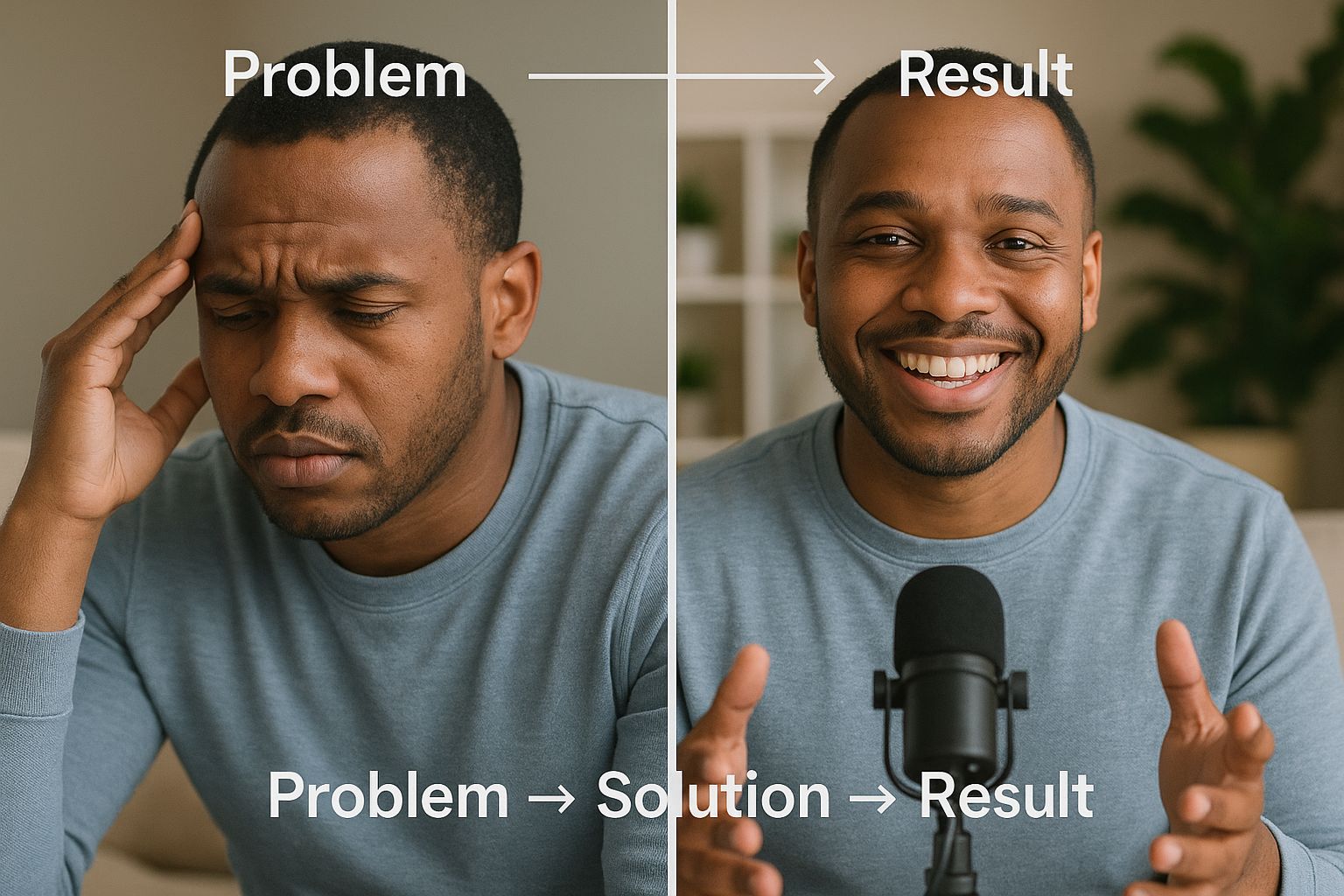
The highest-converting testimonials follow a three-part narrative structure: problem, solution, and result. This format begins by establishing relatability through shared challenges, transitions to how your offering provided the solution, and concludes with specific, measurable outcomes that validate the customer’s decision. Adding personal details and contextual information about the customer further enhances credibility by helping prospects see themselves in the story.
Video vs. Written Testimonials: Which Works Better?
Video testimonials create an emotional connection that text alone cannot match. Seeing genuine enthusiasm, body language, and tone of voice makes the endorsement significantly more persuasive. However, written testimonials offer skimmability and are more easily incorporated throughout marketing materials. The optimal approach combines both formats—using video for emotional impact and written quotes for reinforcement across multiple touchpoints.
How to Ask Customers for Powerful Testimonials
- Time your request after a success milestone or positive interaction
- Provide specific prompts focusing on results and transformation
- Ask permission to edit for clarity while preserving authenticity
- Offer multiple submission options (written, video, audio)
- Consider incentivizing participation without incentivizing positive content
The most valuable testimonials come from customers who represent your ideal buyer persona. While it’s tempting to showcase big-name clients, testimonials from customers who match your target demographic often convert better because prospects can more easily see themselves achieving similar results.
Measuring the ROI of Your Social Proof Strategy
Like any marketing investment, social proof strategies must be measured against their impact on your bottom line. The good news is that modern analytics tools make it easier than ever to track how testimonials, reviews, and other trust elements influence purchase decisions. Setting up proper tracking is essential for optimizing your approach and justifying continued investment in gathering customer feedback.
The most accurate measurement approach combines direct conversion tracking with customer journey analysis. This dual perspective reveals not just whether social proof elements drive immediate sales, but also how they influence the path to purchase across multiple sessions and touchpoints. Many businesses discover that social proof creates a compound effect—shortening sales cycles while simultaneously increasing average order values.
Key Metrics That Show Social Proof Is Working
Beyond basic conversion rates, several specific metrics provide insight into how effectively your social proof strategy is building trust. Time on page often increases when visitors engage with testimonials and reviews, indicating deeper consideration of your offering. Similarly, pages with prominent social proof typically show lower bounce rates as visitors find credibility signals that keep them engaged. For more insights on enhancing user engagement, explore how enhancing e-commerce experiences can make a difference.
For businesses with longer sales cycles, tracking micro-conversions becomes essential. Look for correlations between exposure to social proof elements and subsequent actions like email sign-ups, product demonstrations, or sales consultations. These intermediate steps reveal how trust-building content moves prospects through your funnel even when immediate purchases aren’t realistic.
A/B Testing Your Social Proof Elements
Systematic testing is the key to optimizing your social proof strategy. Start by testing placement—comparing conversion rates when testimonials appear above the fold versus below product descriptions. Then move to format testing, measuring whether video testimonials outperform text, or if before-and-after stories convert better than statistical results.
The most revealing tests often involve comparing different types of social proof against each other. For example, testing whether expert endorsements drive more conversions than customer reviews for high-consideration purchases, or whether user-generated content outperforms professional case studies for lifestyle products. These comparative insights help you allocate resources to the most effective trust-building formats for your specific audience.
Attribution Models for Social Proof Conversions
Traditional last-click attribution often undervalues the contribution of social proof elements to conversion. Since reviews and testimonials typically influence decisions earlier in the funnel, their impact may not be captured in simplified attribution models. Implementing a multi-touch attribution approach provides a more accurate picture of how social validation contributes to purchase decisions across the entire customer journey.
Advanced analytics platforms now allow for sophisticated attribution modeling that can reveal the true influence of social proof touchpoints. These models can demonstrate, for instance, that visitors who engaged with case studies during their first visit were 64% more likely to convert during subsequent sessions, even if they didn’t interact with those materials immediately before purchase. This comprehensive view prevents underinvestment in crucial trust-building content.
Social Proof Implementation Plan: Next Steps for Your Business
Implementing an effective social proof strategy doesn’t require overhauling your entire marketing approach overnight. The most successful implementations begin with quick wins that demonstrate value, followed by systematic expansion across channels and customer touchpoints. This incremental approach allows you to measure results at each stage while building a comprehensive trust framework.
Begin by auditing your current social proof assets and identifying gaps in your trust-building content. Many businesses discover they have valuable testimonials, case studies, or reviews that simply aren’t being showcased effectively. Before investing in generating new social proof, ensure you’re maximizing the impact of existing assets by displaying them prominently throughout the customer journey. For instance, you can learn about enhancing eCommerce experiences to better showcase your social proof.
Quick Wins You Can Implement Today
Start by adding your strongest testimonial to your homepage above the fold, where it can immediately establish credibility with new visitors. Next, integrate review widgets on product pages that dynamically display your most recent positive feedback. These simple additions often produce immediate conversion improvements with minimal implementation effort.
For service-based businesses, creating a dedicated testimonials page with searchable or filterable content allows prospects to find validation specific to their situation. Meanwhile, eCommerce companies can implement social sharing functionality that encourages customers to showcase their purchases, creating authentic user-generated content that influences their networks. These strategies can typically be implemented within days using existing platforms or simple plugins.
Building a Long-Term Social Proof Engine
Sustainable social proof requires systematic processes for continuously generating fresh customer feedback and showcasing it effectively. Develop automated workflows that request reviews at ideal moments in the customer lifecycle, and create internal systems for identifying potential case study candidates based on success metrics. The most successful companies treat social proof as an ongoing program rather than a one-time marketing tactic.
Frequently Asked Questions
As you implement your social proof strategy, several common questions typically arise. Understanding these nuances helps you build a more effective approach tailored to your specific business context and customer expectations.
Below are answers to the most frequently asked questions about social proof implementation, based on data from thousands of successful marketing campaigns across industries. These insights will help you navigate common challenges and maximize the impact of your trust-building efforts.
Remember that while these principles apply broadly, the specific execution should always be customized to your unique value proposition and customer profile. The most successful social proof strategies reflect the authentic voice of your customers while addressing the specific concerns of your target audience.
- How do I choose which customers to feature in testimonials?
- Should I respond to all reviews or just negative ones?
- What’s the ideal ratio of social proof to product information?
- How do privacy regulations affect my ability to use customer feedback?
- Can I edit customer testimonials for clarity or brevity?
How quickly can social proof impact my conversion rates?
Initial results typically appear within 2-4 weeks of implementing strategic social proof elements. Simple additions like featuring reviews on product pages often show immediate impact, while more complex strategies like case study campaigns may take longer to influence the full sales cycle. The speed of impact depends largely on your traffic volume, with higher-traffic sites generating statistically significant data more quickly than those with fewer visitors.
Is it ethical to offer incentives for customer reviews?
Incentivizing the act of leaving a review is generally acceptable if you’re requesting honest feedback without requiring positive sentiment. Transparency is crucial—always disclose incentives publicly and ensure your request explicitly encourages candid opinions. Most review platforms and consumer protection guidelines permit incentivized reviews as long as they’re clearly marked and the incentive is provided regardless of whether the review is positive or negative. For businesses looking to enhance their customer engagement strategies, exploring e-commerce experiences can be beneficial.
Which type of social proof works best for B2B versus B2C companies?
B2B companies typically see stronger results from in-depth case studies and testimonials that address ROI, implementation process, and ongoing support. Conversely, B2C brands often benefit more from volume-based social proof like star ratings, user-generated content, and concise emotional testimonials. That said, the most effective approach for either model depends on your specific offering’s complexity, price point, and consideration timeline rather than strictly following B2B or B2C conventions.
How many reviews do I need before they become effective?
Research indicates that the “critical mass” for review effectiveness starts at around 8-12 reviews, with diminishing returns after 50+ reviews for most products. However, recency matters more than quantity—five fresh reviews from the past month typically outperform fifty outdated reviews from two years ago. For high-consideration purchases, the quality and specificity of reviews matter more than sheer numbers, while commodity products benefit more from higher review volumes that establish statistical reliability.
Can social proof backfire, and how do I prevent that?
Social proof can indeed backfire when it appears inauthentic or misaligned with your brand positioning. Common pitfalls include obviously fake reviews, testimonials that make unrealistic claims, or social validation that contradicts your product’s actual capabilities. The most effective prevention strategy is maintaining strict authenticity standards—featuring real, verifiable customers with reasonable expectations and outcomes. Remember that credible social proof often includes minor criticisms or improvement suggestions alongside positive experiences, as this balance enhances believability. For more insights, explore how enhancing e-commerce experiences can align with authentic social proof.
As you implement your social proof strategy, remember that authenticity ultimately trumps perfection. Today’s consumers have finely-tuned radars for manufactured endorsements. The occasional imperfection or constructive criticism within your social proof actually enhances credibility rather than diminishing it.
- Start collecting testimonials immediately after delivering value
- Showcase social proof at key decision points in your customer journey
- Continuously test different formats and placements
- Leverage technology to automate review collection and display
- Respond thoughtfully to both positive and negative feedback
By systematically implementing these social proof strategies, you’ll build a foundation of trust that differentiates your brand in an increasingly skeptical marketplace. Remember that trust isn’t built through grand gestures but through consistent evidence that you deliver on your promises. For example, enhancing e-commerce experiences can significantly boost customer trust and satisfaction.
When your marketing claims are backed by authentic customer experiences, skepticism transforms into confidence, hesitation into action, and one-time purchases into lasting relationships. In today’s hyper-connected world, what others say about you has become your most powerful marketing asset.
Turn social proof into sales, automatically: centralize reviews, testimonials, and UGC; trigger perfectly timed email/SMS requests; route negative feedback for human follow-up; and showcase trust widgets that boost conversions—all with free setup and growth support. Start free at em2bos.com.

